The short answer
Bali has two main white water rafting rivers. The Ayung River near Ubud is the classic choice: class II to III rapids, about 11 to 12 kilometers in roughly two hours, suitable for first-timers and children from about 7 years old. The Telaga Waja River in east Bali is the bigger ride: about 16 kilometers in 2.5 to 3 hours, generally graded class III with a few stronger sections in high water, a drop of around 4 to 5 meters over a small dam, and a minimum age of about 12 with most operators.
If you have never rafted, or you are traveling with kids, choose the Ayung. If you want more adrenaline, a quieter river and you do not mind a longer drive, choose Telaga Waja. Both are guided, both include all the safety gear, and both usually come with lunch and transfers for roughly USD 60 to 80 (about IDR 1 to 1.3 million) per person through booking platforms.
The Ayung River: Bali's classic
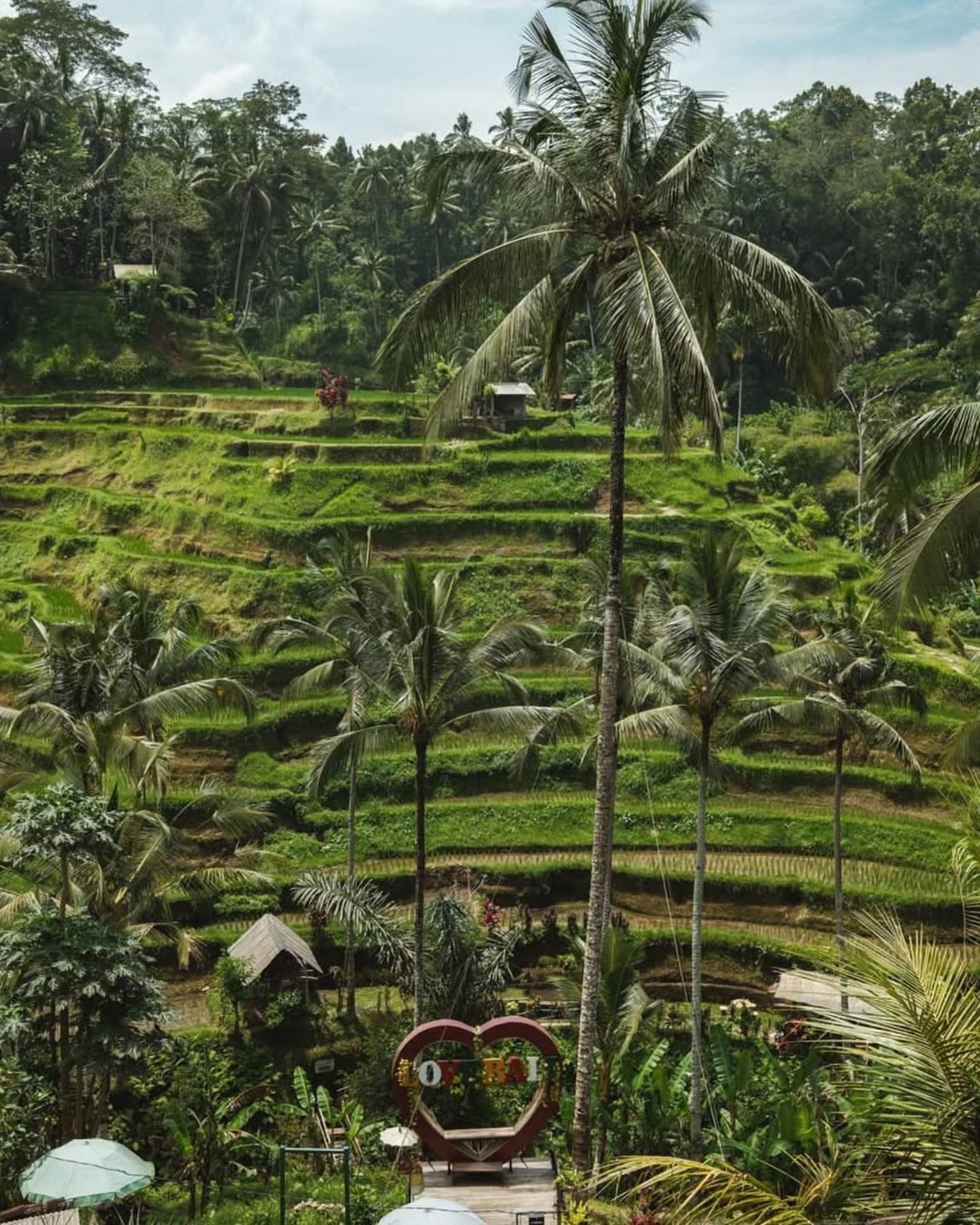
The Ayung is Bali's longest river, running south from the highlands past Ubud through a deep jungle gorge. Most rafting trips put in near Payangan, north of Ubud, and float down through the gorge past waterfalls trickling off the cliffs, rice terraces high above, and stretches of the canyon wall carved with large stone reliefs. The rapids come in quick, splashy bursts with calm stretches in between, so there is time to look around.
It is a fun, sociable morning rather than a serious test. Guides steer from the back, call out commands and are not shy about splashing other boats. Most trips start around 8 to 9am, which is cooler and quieter, and finish with a hot shower and a buffet lunch at the operator's base. The final challenge is often the climb back up the steps from the river to the road, which can be a few hundred steps depending on the operator.
The Ayung is also close to the ATV parks around Payangan and Bongkasa, which is why rafting and quad bike combos are so popular. See our guide to Bali ATV quad tours.
Telaga Waja: the east Bali challenge
The Telaga Waja runs through Karangasem in east Bali, about 1 to 1.5 hours from Ubud and roughly 2 hours from the south coast. The scenery is wilder, the valley is less developed and you will see far fewer other boats than on the Ayung.
The rapids are more continuous and more technical, and the highlight is a drop of around 4 to 5 meters where the raft slides over a small dam. Guides brief you carefully before it, and it is over in seconds. The river is longer, so expect about 2.5 hours on the water and a fuller day overall. Telaga Waja is a natural fit if you are staying in Sidemen or on the east coast, and it combines well with a visit to Besakih Temple on the way back.
Season and water levels
Both rivers can be rafted all year, but the experience changes with the season.
- Rainy season (about November to March): Higher water, faster current and bigger waves. More exciting, but trips can be postponed after very heavy rain for safety. A good operator will rebook or refund.
- Dry season (about April to October): Lower water, more rocks showing and rapids that can feel tamer, especially on the Ayung late in the season. Better weather for the rest of the day.
If you want the most action, the shoulder months just after the rains, around March and April, often give a good balance. Check our Bali weather by month guide when planning.
Prices and what is included
As a guide to 2025 and 2026 listings:
- Ayung, with transfers and lunch: from around USD 75 per person on some platforms, with lower rates sometimes available booking directly or without transfer.
- Telaga Waja, with transfers and lunch: from around USD 60 to 70 per person, depending on operator and pickup area.
- Combo packages: rafting plus ATV or a zipline usually costs less than booking both separately.
A standard package includes return transfers from Ubud and most of the south, a helmet, life jacket and paddle, a dry bag, a guide in every boat, insurance, a hot shower, towels and a buffet lunch. Drinks at lunch, photos and video, and tips are usually extra.
Minimum ages and fitness
- Ayung: usually from 7 years old, with insurance commonly covering ages 7 to 60 or 65.
- Telaga Waja: usually from about 12 years old, sometimes higher. Confirm with your operator.
You do not need to be able to swim well, since you wear a life jacket throughout, but you should be comfortable in water. You need moderate fitness to paddle for two hours and to manage the steps at the start and finish. Pregnant travelers and people with back, neck or heart problems should not raft.
Safety and choosing an operator
Bali's rafting is generally well run, but standards vary. Look for:
- Recent reviews: Read the last few months, focusing on guides, equipment and how the operator handled bad weather.
- Proper briefing: You should get a clear safety talk on paddling commands, what to do if you fall in and how to hold on.
- Good gear: Well-fitting life jackets that are buckled and tightened, and helmets for everyone.
- Insurance: Confirm that personal accident insurance is included, and check your own travel insurance covers adventure activities.
- Weather judgment: An operator that cancels after heavy rain is protecting you, not ruining your day.
What to wear and bring
Wear swimwear or quick-dry clothes and sandals that strap on, and bring a change of clothes, sunscreen and a waterproof phone case if you want photos on the water. Leave valuables at your hotel or in the operator's lockers. Glasses need a strap.
For more ways to fill a week, see our guide to the best things to do in Bali.
Frequently asked
Which is better for rafting in Bali, Ayung or Telaga Waja?
The Ayung near Ubud is better for beginners and families, with class II to III rapids. Telaga Waja in east Bali is longer and more challenging, with a 4 to 5 meter drop, and suits teens and adults who want more adrenaline.
How much does white water rafting cost in Bali?
Packages with transfers and lunch typically cost around USD 60 to 80 (about IDR 1 to 1.3 million) per person on booking platforms, sometimes less when booked directly.
What is the minimum age for rafting in Bali?
Usually 7 years old on the Ayung River and around 12 years old on the Telaga Waja, though operators set their own limits.
Can you go rafting in Bali in the rainy season?
Yes. Water levels are higher and the rapids bigger from about November to March, but trips may be postponed after very heavy rain for safety.

101 Things to Do in Bali
A bucket list of 101 experiences across the island, from sunrise hikes to temple festivals.

BALI 2026
The complete island guide: regions, temples, beaches, getting around, what to avoid and how to plan the perfect trip.