The short answer
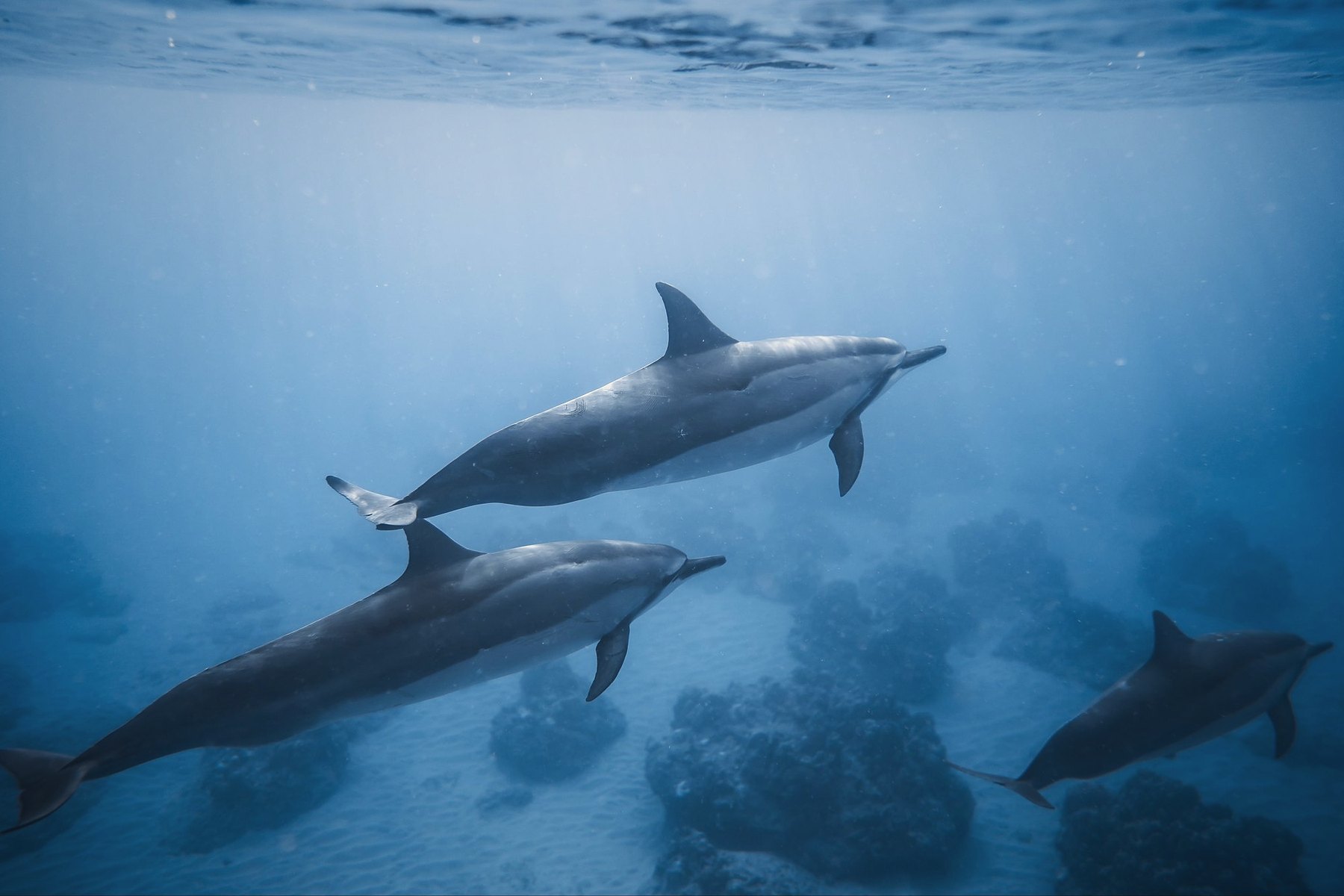
The place to see wild dolphins in Bali is Lovina, on the calm north coast in Buleleng regency. Pods of dwarf spinner dolphins feed and travel a short way offshore, and small traditional boats called jukung take visitors out to meet them at sunrise. Sightings are very likely on most mornings, a shared seat costs roughly IDR 100,000 to 150,000 (about USD 6 to 9), and you are back on the beach in time for breakfast.
There is no other spot in Bali with regular, reliable dolphin trips. Any dolphins you see from a fast boat to Nusa Penida or a dive boat elsewhere are a lucky bonus. And there is no longer any legitimate way to swim with captive dolphins on the island, which is a good thing; more on that below.
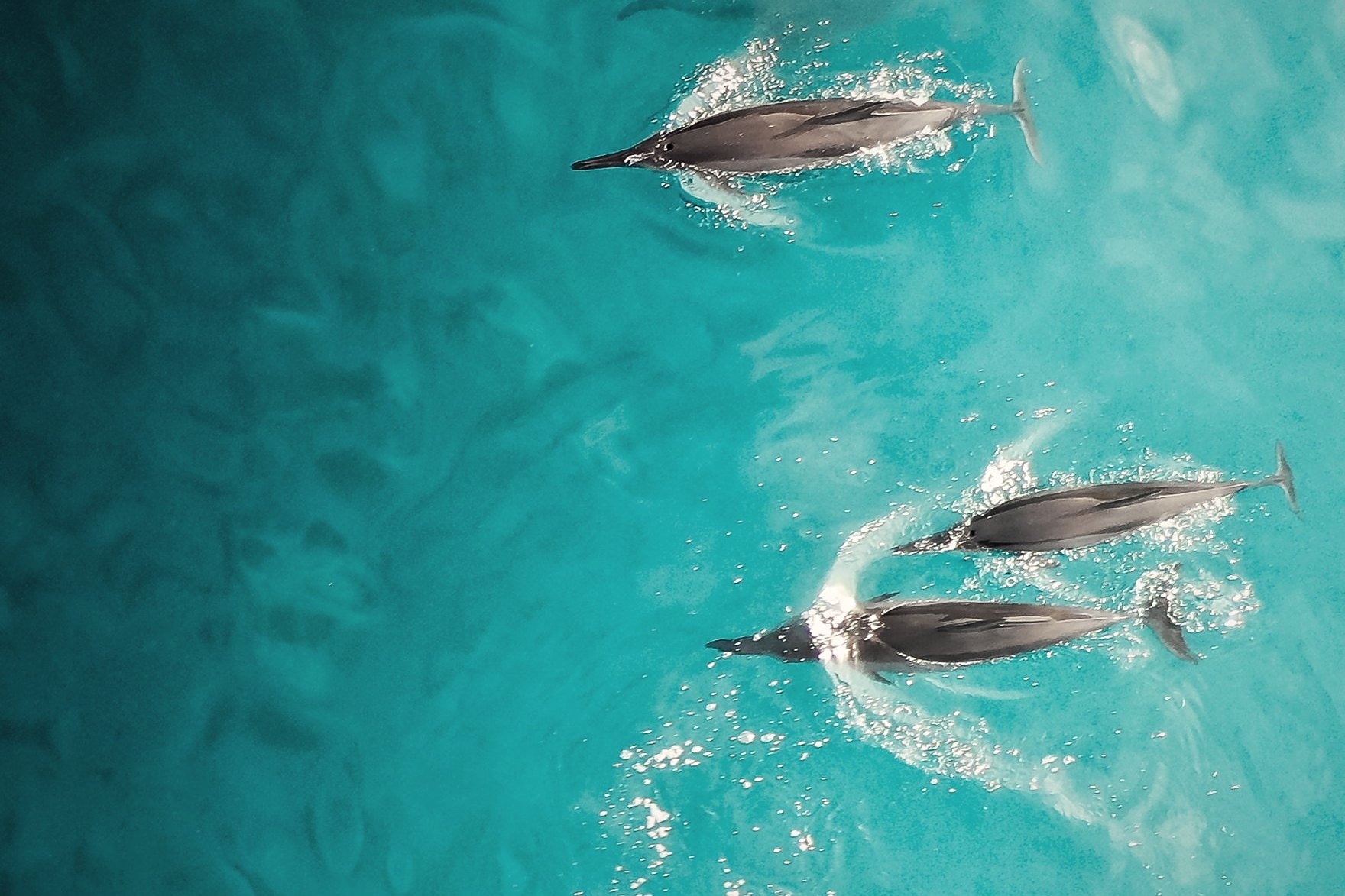
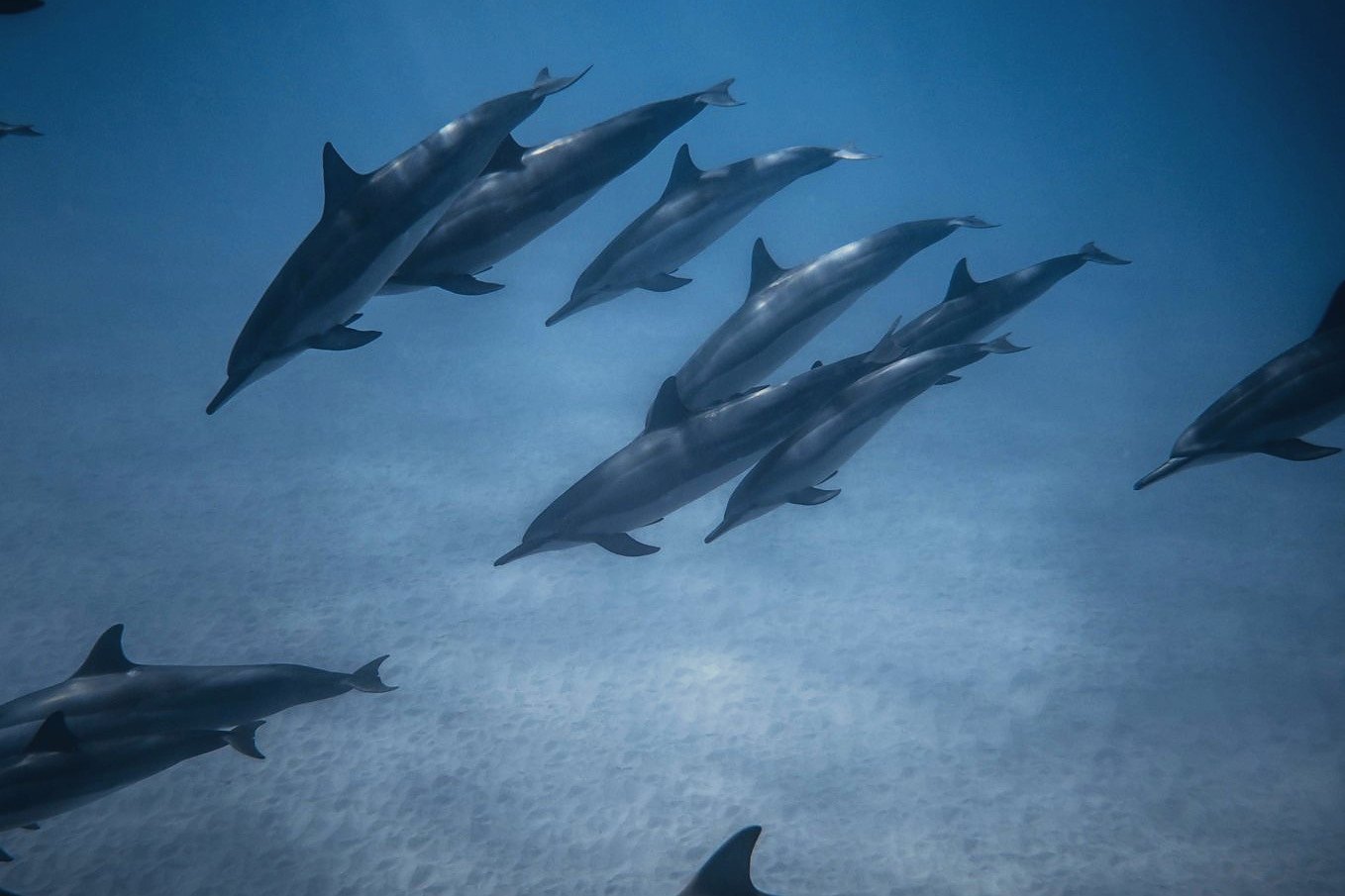
Photos: Pexels · Pexels License · edited / Pexels · Pexels License · edited
How a Lovina dolphin trip works
Lovina is not one beach but a string of villages west of Singaraja, from Anturan and Kalibukbuk to Kaliasem, and boats leave from several of them, including Celuk Agung. The routine barely changes. You meet your captain on the sand around 5:45am, push off at about 6am, and motor for around half an hour into open water as the sky turns pink behind the hills.
Then the search begins. Spinner dolphins surface briefly and are often on the move, so captains watch for fins, splashes and, honestly, for each other. When a pod appears, boats gather, the dolphins surface and dive, and everyone repositions. Viewing usually wraps up around 8am. Many trips add a snorkeling stop on the reef on the way back, which is pleasant if unspectacular.
Lovina is about 2.5 to 3 hours by car from Denpasar or Ubud. Doing it as a day trip from the south means a pickup around 3:30am, so it makes far more sense to spend a night or two on the north coast, which is quieter, cheaper and lovely in its own right. Combine it with the waterfalls around Gitgit and Munduk or the reefs of Pemuteran and Menjangan Island.
What it costs and how to book
Prices are set mostly by local boat associations and change little from year to year. As a guide for 2026:
- Shared boat: around IDR 100,000 to 150,000 per person for about two hours.
- Private boat: around IDR 400,000 per boat for up to three people, with a small charge for each extra person. Boats hold up to about seven or eight.
- Snorkel add-on: around IDR 60,000 to 70,000 per person.
- Packages from south Bali: shared tours with hotel transfers run roughly IDR 250,000 to 350,000 per person in a group, or more for two people.
Your guesthouse can arrange a boat the evening before, or you can book directly with a captain on the beach. Online platforms sell the same trips with a markup. Bring cash, a hat, sunscreen and a light layer, because the sea breeze is cool at dawn.
The crowding problem
Here is the part the brochures leave out. Research by James Cook University, carried out when the industry was smaller than today, counted an average of about 35 tour boats each morning and up to around 100 in peak season. A single school of dolphins was sometimes surrounded by as many as 83 boats, boats often outnumbered the dolphins, and most approached far closer than the 50-meter distance used in many countries' whale-watching rules. The study concluded that Lovina's operations fell short of international norms.
Local boatmen have discussed codes of practice, such as switching engines off near a pod and never cutting across the animals' path, but nothing is enforced on the water. The dolphins still return every morning, so Lovina is not a disaster. It does mean that how your captain behaves really matters.
How to choose a responsible boat
You cannot fix the whole fleet, but you can vote with your booking:
- Go private, or go later. A private boat lets you tell the captain how you want to watch. Some operators offer a later 8:30am departure, after the main fleet has headed home.
- Ask about engines and distance before you go. A good captain idles or cuts the engine near a pod and lets the dolphins come closer on their own terms.
- Say no to chasing. If your boat races across a pod's path to beat the others, ask the captain to hang back. Most will.
- Skip the "swim with dolphins" add-on. Dropping swimmers into a moving pod disturbs animals that are resting or feeding, and it is exactly the behavior researchers flagged.
- Tip for good behavior. Captains notice what earns tips.
The best mornings are often the quiet ones: a single boat drifting with the engine off, and a pod rolling past close enough to hear them breathe.
Best months and conditions
Dolphins live off Lovina year-round, so you can see them in any month. The sea is calmest and the skies clearest in the dry season, roughly April to October, which is the best time to go. In the wet season, from about November to March, mornings can be choppy or rainy and some trips are cancelled, but sightings remain common on good days. Whatever the month, early is better: the water is flattest and the light softest before 8am.
What happened to captive dolphins in Bali
For years, Bali had dolphin shows and swim-with programs, including a hotel pool in Keramas and a sea pen in Sanur. Under pressure from campaigners and the Indonesian authorities, they have all closed or dropped their dolphins. Some of the animals were rehabilitated at the Umah Lumba center in Banyuwedang Bay, West Bali, set up in 2019 with the Bali forestry agency and Dolphin Project, and have since been released into the open sea. If you ever see a Bali attraction advertising captive dolphin encounters, treat it as a red flag.
Wild dolphins at Lovina are the real thing. Go early, go gently, and let them set the distance.
Frequently asked
Where is the best place to see dolphins in Bali?
Lovina on the north coast is the only place in Bali with regular dolphin-watching trips. Boats leave around 6am and spinner dolphins are seen on most mornings.
How much is the Lovina dolphin tour?
A shared boat costs around IDR 100,000 to 150,000 per person and a private boat around IDR 400,000 for up to three people. Transfers from south Bali cost extra.
Can you swim with dolphins in Bali?
Bali's captive dolphin attractions have closed, and swimming among wild pods at Lovina disturbs them. Watching quietly from the boat is the responsible choice.
What is the best month to see dolphins in Lovina?
Dolphins are there year-round, but April to October brings the calmest seas and clearest mornings.

BALI 2026
The complete island guide: regions, temples, beaches, getting around, what to avoid and how to plan the perfect trip.

101 Things to Do in Bali
A bucket list of 101 experiences across the island, from sunrise hikes to temple festivals.