The short answer
Yes, Bali is still worth visiting, but not every part of it and not for everyone. The crowded south, from Kuta to Canggu, can feel overbuilt, traffic-choked and expensive by Southeast Asian standards. Yet the things that made Bali famous are very much alive: a Hindu culture practiced daily in thousands of temples, rice terraces, volcanoes, reefs and some of the friendliest hospitality anywhere. If you plan around the hotspots instead of through them, Bali is as rewarding as ever.
The honest downsides
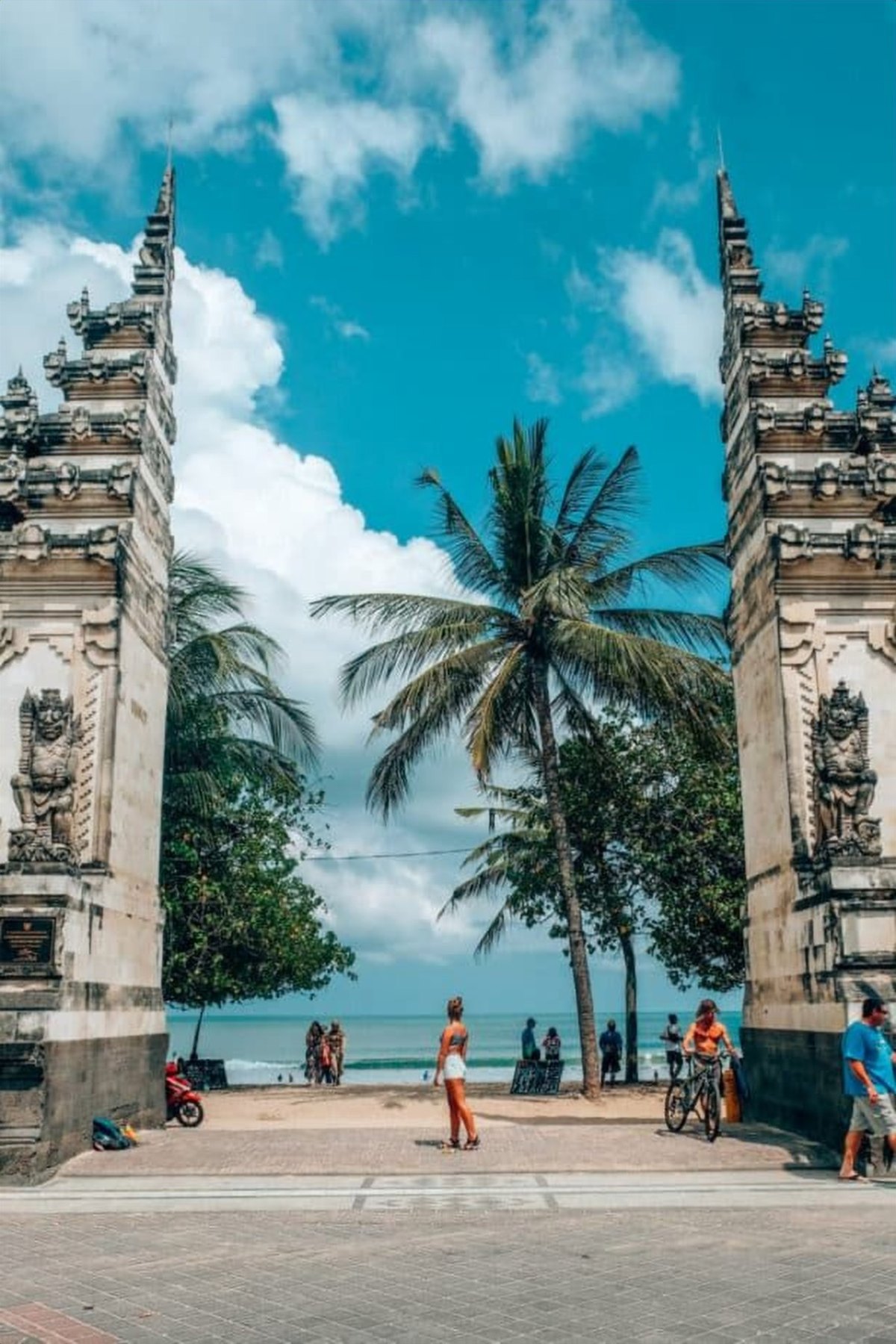
Crowds. Bali welcomed a record 6.95 million direct foreign arrivals in 2025, almost 10 percent more than the year before, according to Statistics Indonesia. Most of them stay in a narrow southern strip and visit the same dozen photo spots. At the Gates of Heaven at Lempuyang Temple, people queue for an hour or more for one photo, and the famous reflection is created with a mirror held under a phone.
Traffic. The roads were built for villages, not millions of visitors. Canggu's shortcut lanes jam daily, and the drive from the airport to Ubud can take 90 minutes or more in the afternoon. You will spend more time in cars than the map suggests.
Trash. Waste is Bali's most visible problem in 2026. The island's main landfill at Suwung has been winding down, collection has struggled to keep up, and you will see rubbish piled by roadsides and floating in rivers. In the rainy season, roughly December to March, currents wash plastic onto west-coast beaches such as Kuta and Seminyak.
Overdevelopment. Rice fields around Canggu and Ubud keep disappearing under villas and beach clubs, and in places Bali can feel like a theme park of itself, with smoothie bowls and gyms where farms stood a decade ago.
Bali belly. Plenty of visitors lose a day or two to a stomach upset. It is usually mild and avoidable with bottled or filtered water and busy restaurants; our Bali belly guide covers prevention and when to see a doctor.
What still makes Bali special
Walk out of your villa early in the morning and you will see women placing canang sari offerings on doorsteps, shrines and dashboards. Bali is the only Hindu-majority island in Indonesia, and religion here is not a show for visitors. Ceremonies, processions and temple anniversaries happen somewhere every day, and the island shuts down completely for Nyepi, the Day of Silence.
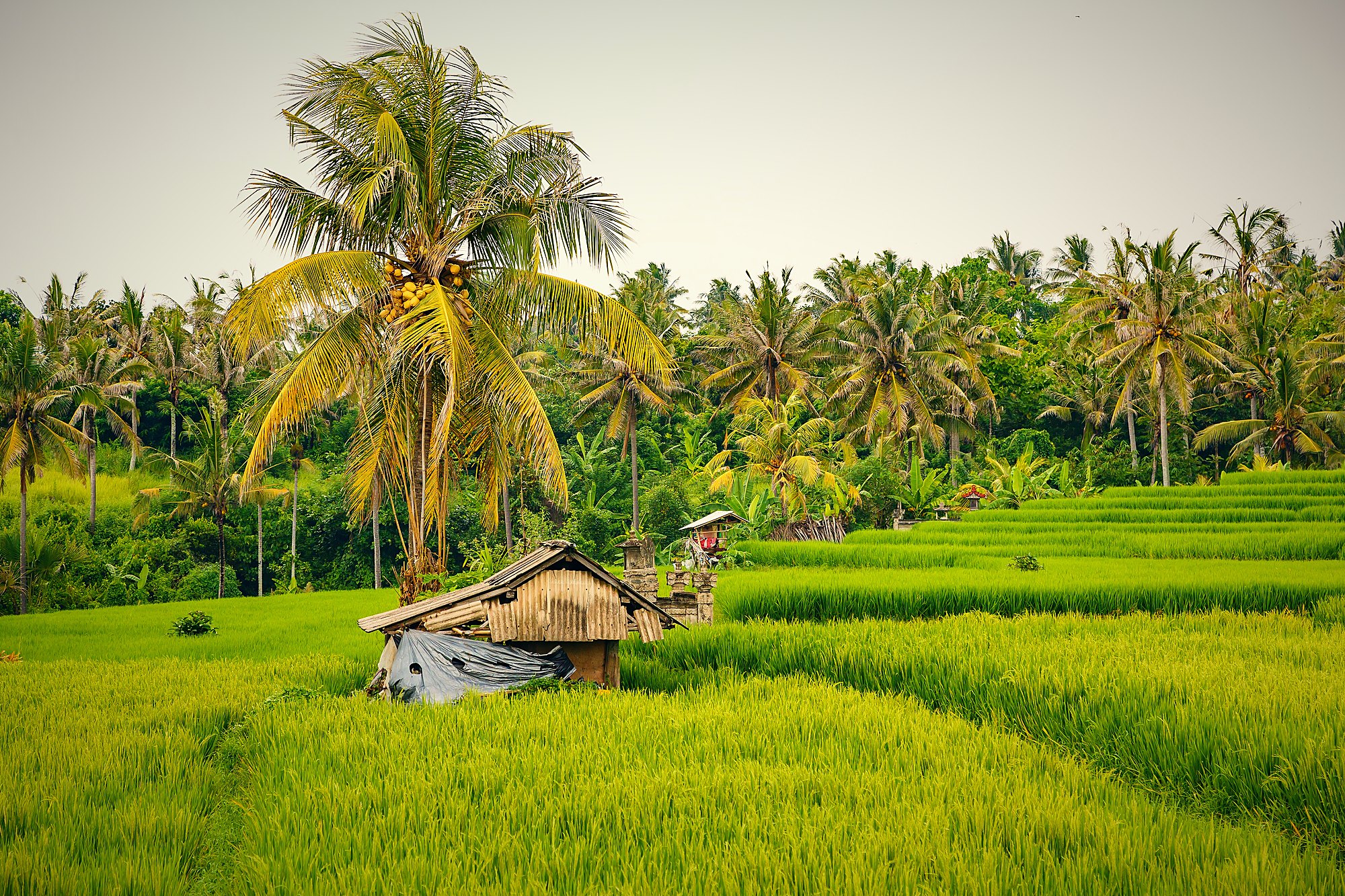
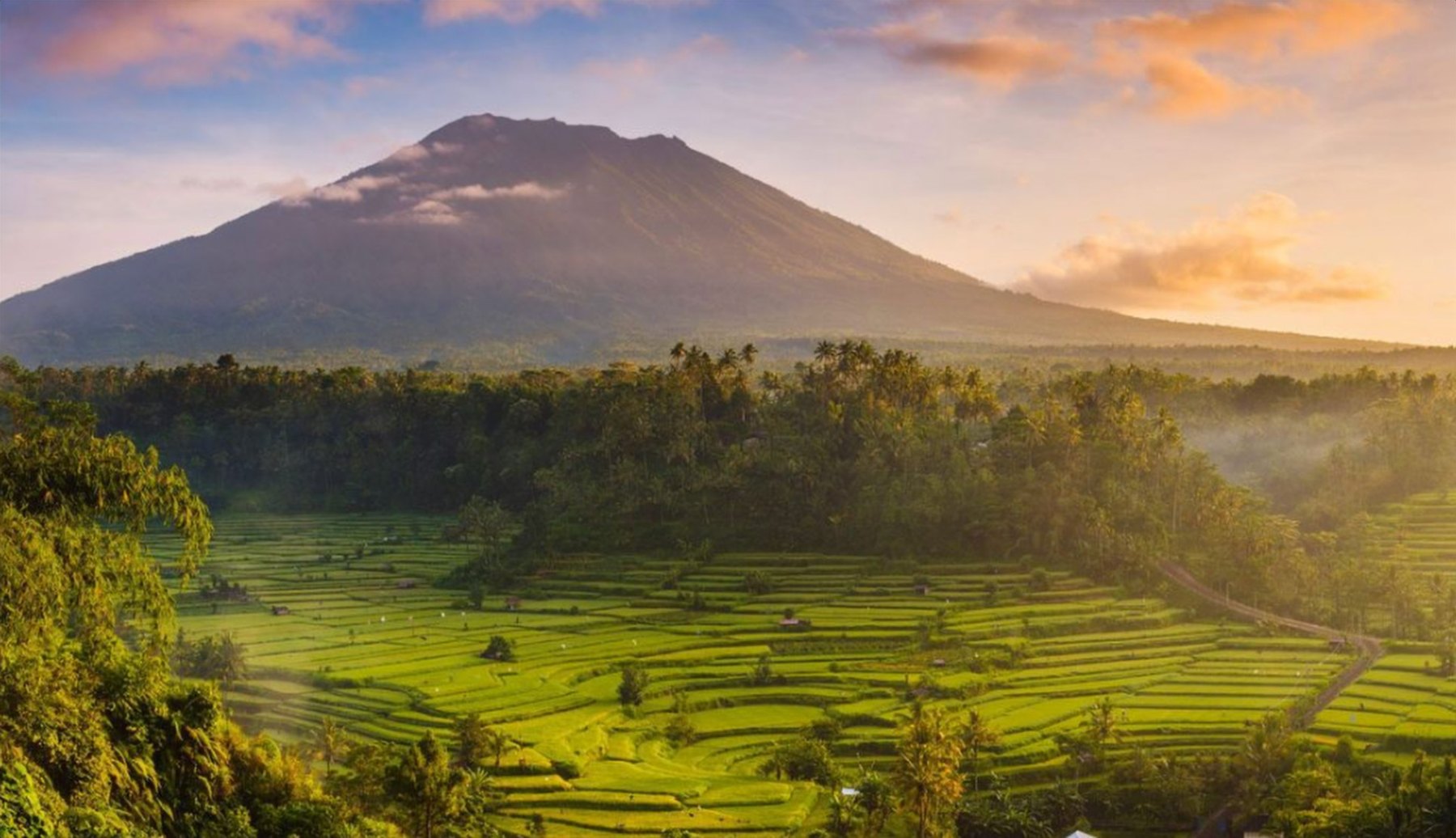
The landscape is extraordinary for its size. In a single day you can watch the sun rise from Mount Batur, walk through the UNESCO-listed Jatiluwih rice terraces and end with a sunset over the cliffs of Uluwatu. Add world-class surf, manta rays off Nusa Penida and waterfalls in the north.
And it is still good value. A warung lunch costs around IDR 25,000 to 45,000 (under US$3), a private driver for a full day roughly IDR 600,000 to 1.2 million, and a villa with its own pool can cost what a basic hotel room does in Europe or Australia.
Who will love Bali, and who won't
You will probably love Bali if you:
- are curious about culture and religion, not just beaches
- like food, yoga, surfing, diving or hiking
- want comfort and good service at fair prices
- are happy to hire a driver and plan your days by region
You may be disappointed if you:
- want empty white-sand beaches everywhere; the Maldives or eastern Indonesia fit better
- hate traffic and noise and plan to stay only in Canggu or Kuta
- expect a party island with no rules; Bali's temple, drug and behavior laws are taken seriously
- have only three or four days and want to see the whole island
How to skip the overrated parts
Base yourself well. Spend your nights in quieter areas rather than the busiest strips: Sidemen and Amed in the east, Munduk in the highlands, Penestanan or Sayan just outside central Ubud, or Pererenan instead of central Canggu. Our where to stay guide compares them.
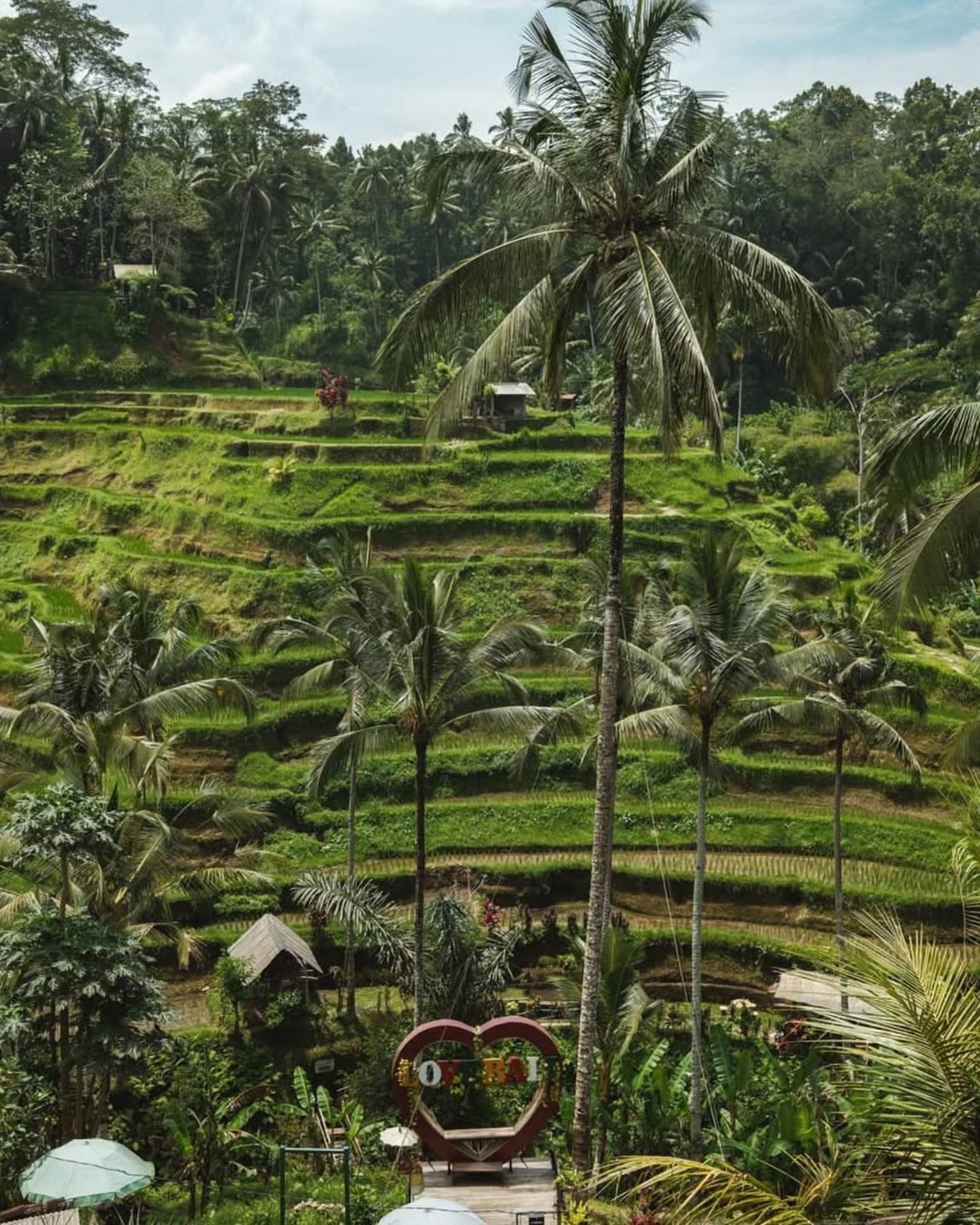
Go early. Tegallalang, Tirta Empul and the Monkey Forest are lovely at 7:30 a.m. and miserable at 11. Most tour buses arrive mid-morning.
Swap the famous for the equivalent. Choose Jatiluwih over Tegallalang, Tirta Gangga over Lempuyang's photo queue, and Nusa Lembongan for a night over a rushed Nusa Penida day trip.
Travel in shoulder season. May, June and September have dry weather without the July and August peak or the Christmas crowds. See our guide to the best time to visit Bali.
Give it time. Seven to ten days lets you leave the south behind. Bali rewards travelers who slow down and punishes those who try to tick off everything in four days.
The verdict
Bali is not the untouched paradise of old posters, and pretending otherwise sets you up for disappointment. But it is also far more than its worst viral videos. Skip the queues for staged photos, stay out of the busiest strip for most of your trip and spend time in the villages, temples and hills. The Bali that has drawn travelers for a century is still there, a short drive from the traffic.
Frequently asked
Is Bali overrated?
Parts of it are. The south and the famous photo spots are crowded, but Ubud's outskirts, the east, the north and the smaller islands still feel authentic and relaxed.
Is Bali worth it for a first trip to Asia?
Yes. It is easy to navigate, English is widely spoken in tourist areas, accommodation is excellent value, and it offers culture, nature and beaches in one place.
Is Bali dirty?
Trash is a real problem in 2026, especially on roadsides, in rivers and on west-coast beaches during the rainy season. The Bukit beaches, the east coast and the highlands are generally much cleaner.
How many days do you need for Bali to be worth it?
At least seven days, ideally ten. Shorter trips tend to stay in the crowded south and miss what makes Bali special.

101 Things Nobody Told You About Bali
The practical and cultural surprises first-timers wish someone had told them before landing.

BALI 2026
The complete island guide: regions, temples, beaches, getting around, what to avoid and how to plan the perfect trip.