The short answer
If it is your first trip, split your stay between Ubud for culture, rice terraces and jungle, and one beach base: Uluwatu for cliffs and sunsets, Canggu for surf and cafe life, Seminyak for restaurants and shopping, or Sanur and Nusa Dua for calm water and an easy family holiday. If you have more time, Sidemen and Amed in the east show you a slower, more traditional Bali.
There is no single best area, only the best match for you. Bali's regions feel genuinely different, and because getting between them takes time, choosing well matters more than choosing a fancy hotel.
Ubud: culture, rice fields and jungle
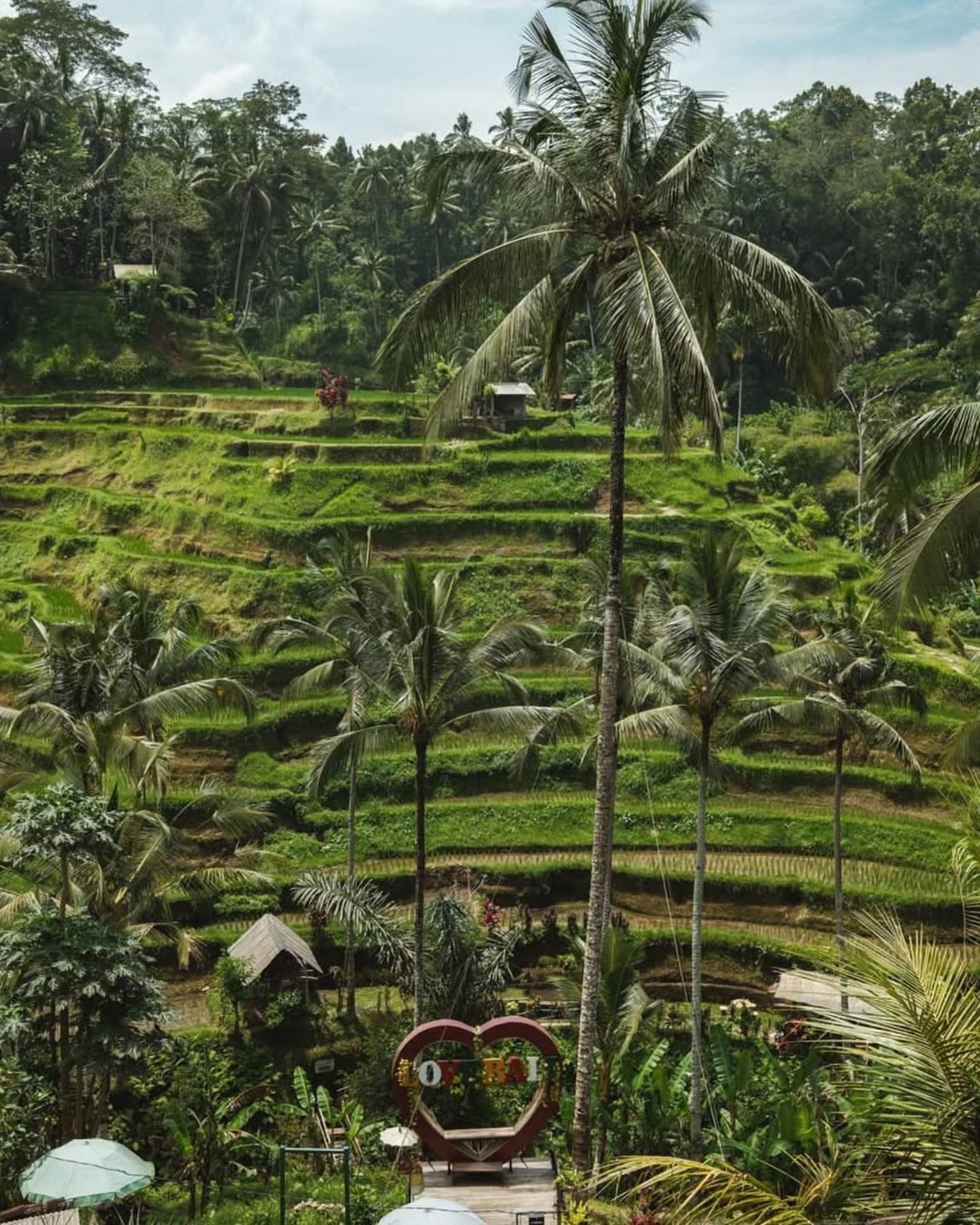
Ubud sits in the green hills about 60 to 90 minutes from the airport and is the island's cultural heart. Mornings start with walks along the Campuhan Ridge, afternoons drift between galleries, palace dance performances and the Sacred Monkey Forest, and you are within easy reach of Tegallalang, Tirta Empul and the Mount Batur sunrise trek.
Best for: first-timers, couples, yoga and wellness travelers, anyone who cares more about temples than beaches.
Pros: superb food scene, from simple warungs to serious restaurants; good-value villas with jungle or rice-field views. Cons: no beach, central streets are congested by day, and ride-hailing pickups are restricted in parts of the center, so you will often rely on local drivers. Stay a little outside the center, in Penestanan, Sayan or Nyuh Kuning, for quiet nights.
Canggu and Pererenan: surf and cafe culture
Canggu is where Bali's digital nomads, surfers and brunch crowd live. Black-sand beaches like Batu Bolong and Echo Beach have beginner-friendly waves, sunset bars line the sand, and the cafe and gym scene is the island's busiest. Pererenan, just west, has the same lifestyle at a calmer pace, with Pererenan Beach still feeling local.
Best for: young travelers, surfers, long-stayers, groups who want nightlife without Kuta.
Pros: endless places to eat and drink, strong value in modern villas, lively atmosphere. Cons: traffic is notorious, the main shortcut roads jam daily, construction is everywhere and the beaches have strong currents. Expect around US$60 to $120 a night for a good mid-range room.
Uluwatu and the Bukit: cliffs and sunsets
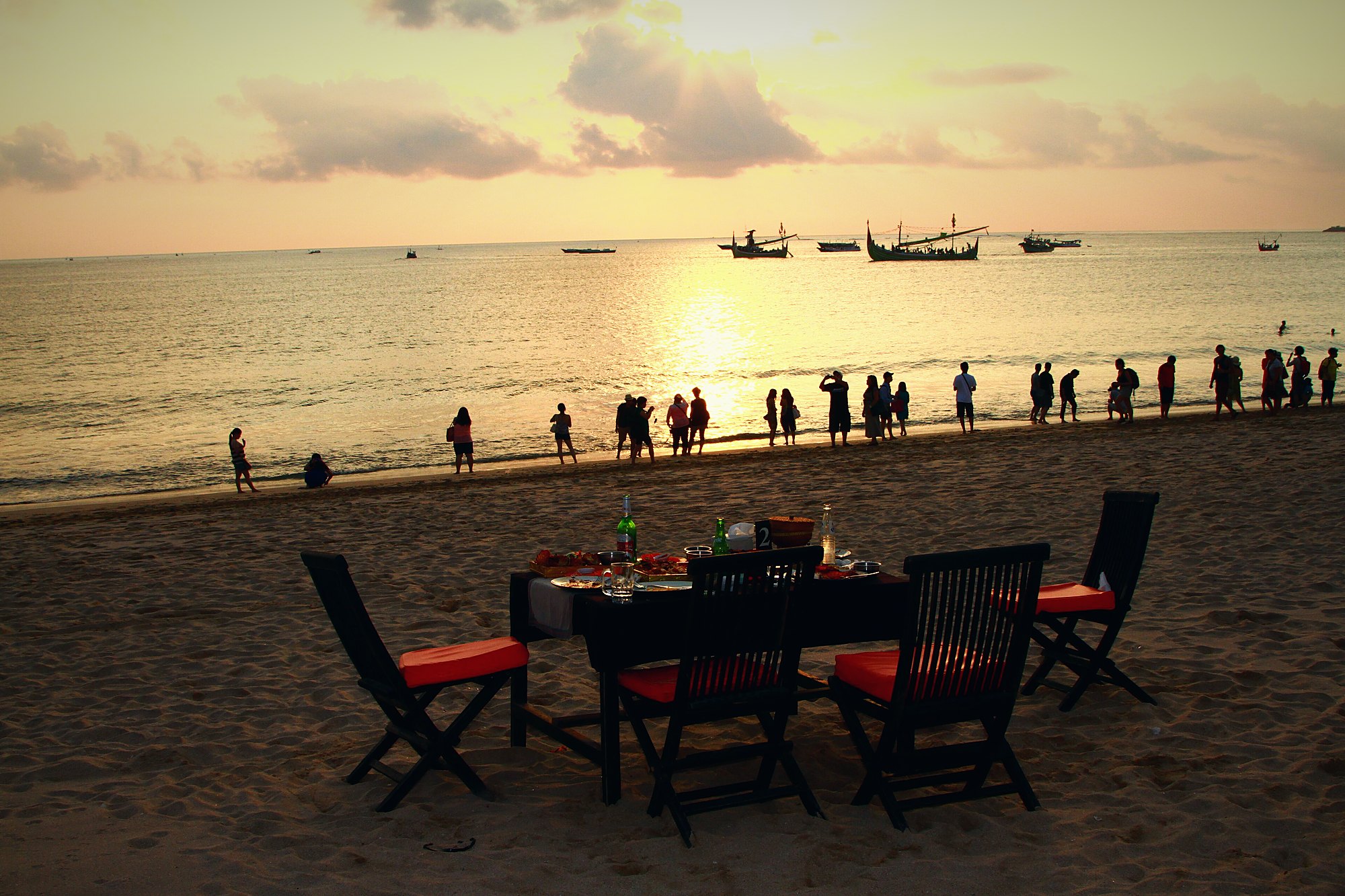
On the limestone Bukit Peninsula in the far south, Uluwatu has the most dramatic coastline in Bali. Beaches such as Bingin, Padang Padang and Melasti sit at the bottom of cliffs, the surf is world class, and the Kecak dance at Uluwatu Temple at sunset is unforgettable.
Best for: couples, surfers, honeymooners, anyone who wants a beach-focused stay with style.
Pros: clear blue water, spectacular cliff-top hotels and beach clubs, about 45 minutes to an hour from the airport. Cons: spread out, with few walkable streets; app-based pickups are restricted in much of the area, and it is a long drive, around 2.5 to 3 hours, to Ubud. It is also one of the pricier regions, with mid-range rooms often around US$90 to $160.
Seminyak and Kuta: restaurants, shopping and convenience
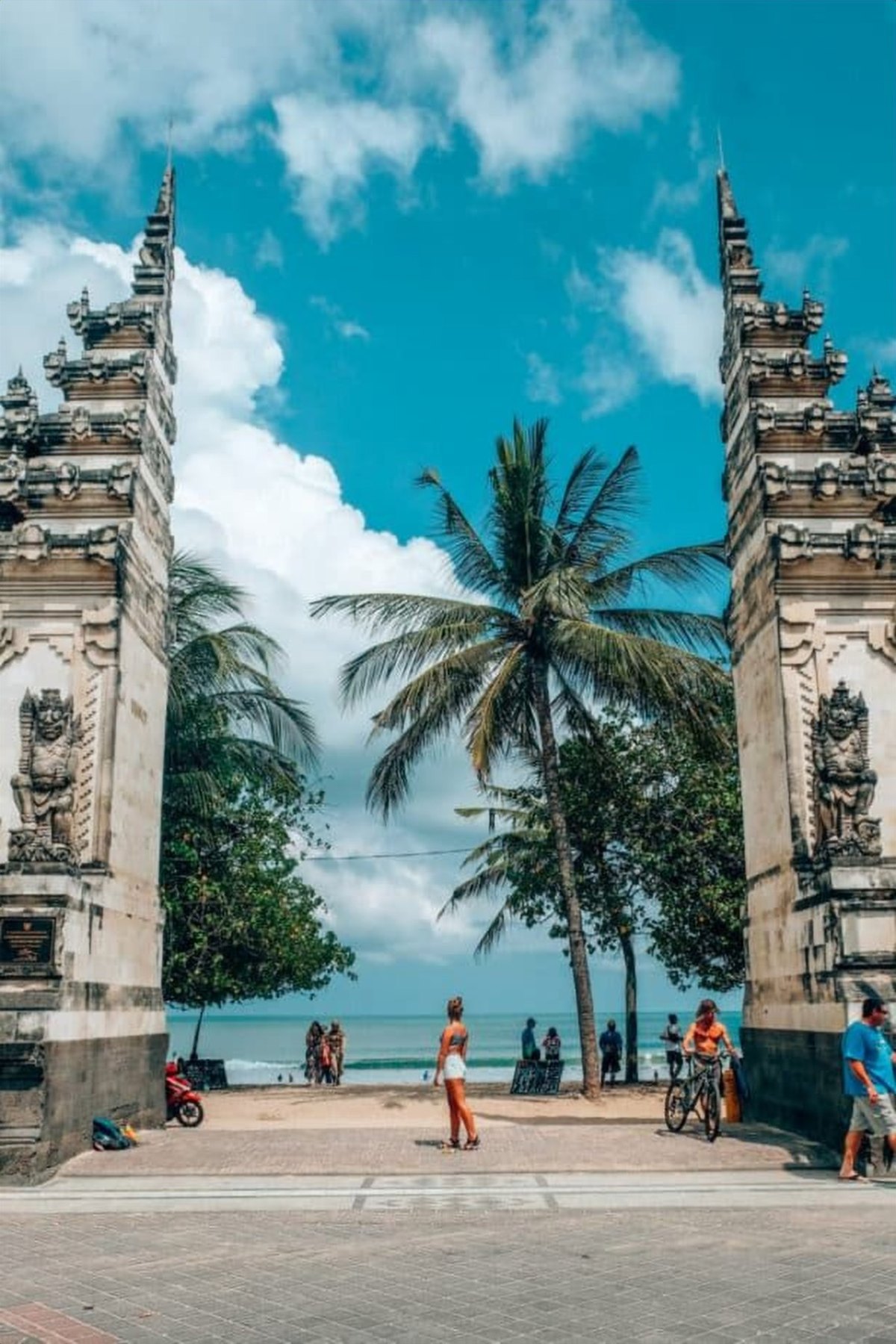
Seminyak is polished and central, 15 to 25 minutes from the airport, with boutique shopping, some of Bali's best restaurants and well-known beach clubs on a long sandy beach. Kuta and Legian, just south, are cheaper and louder, with a beach that suits beginner surfers.
Best for: short stays, foodies, shoppers, first nights after a late arrival.
Pros: walkable compared with most of Bali, huge choice of hotels at every level, easy airport access. Cons: busy and built up, with little traditional Bali left. Kuta in particular is not for travelers seeking peace.
Sanur and Nusa Dua: calm water and families
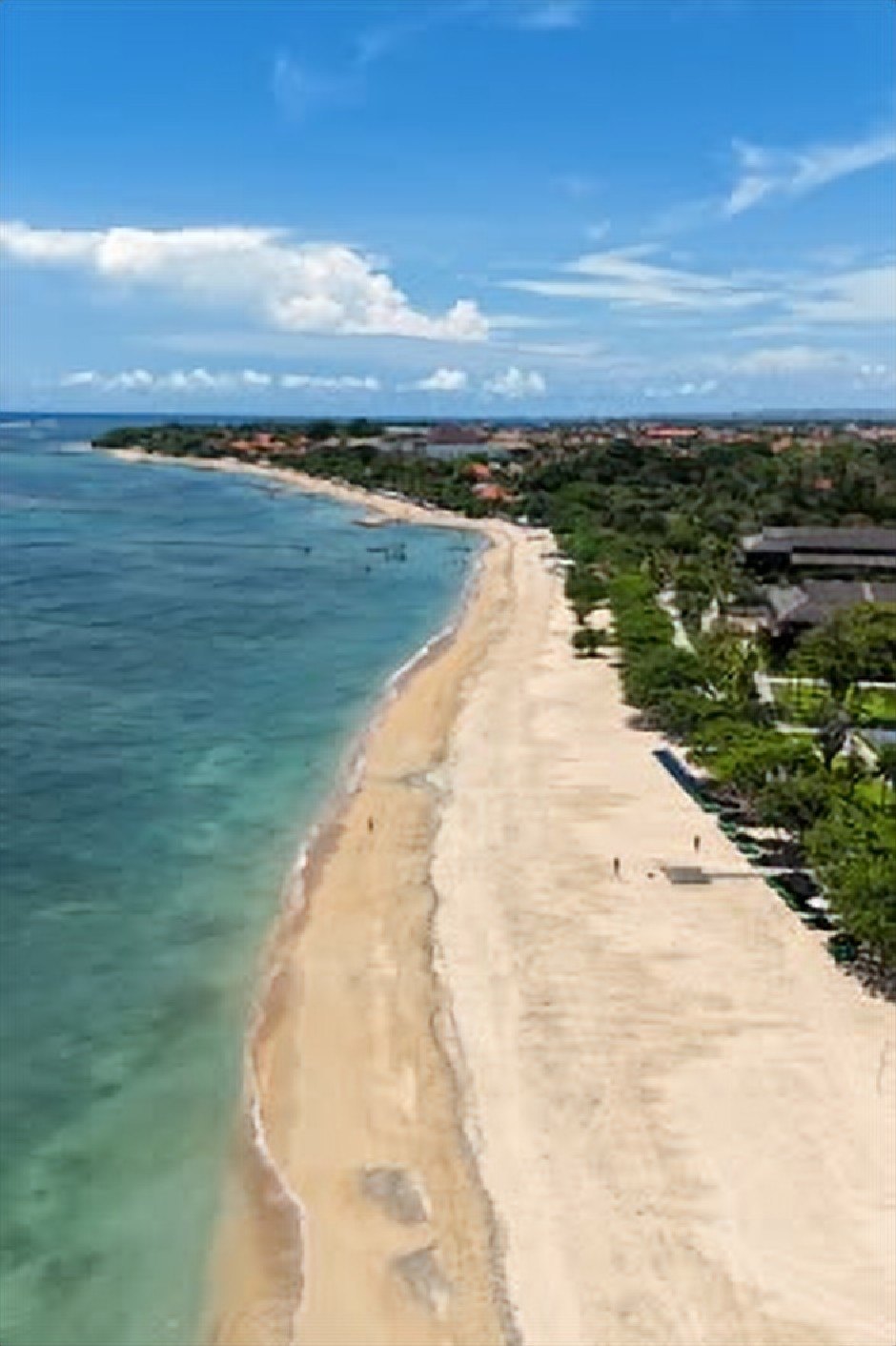
Sanur, on the southeast coast, is Bali's gentlest beach town. A reef keeps the water calm, a long beachfront path suits cyclists and early walkers, and fast boats leave from here for Nusa Penida and Lembongan. The crowd is a mix of families, older travelers and long-term residents. Ubud is less than an hour away.
Nusa Dua is a gated resort enclave of large international hotels on manicured beaches. It is safe, clean and easy, ideal for families and anyone who wants pool, beach and kids' club without leaving the grounds.
Pros: calm swimming, quieter evenings, good for children. Cons: Sanur is sleepy at night; Nusa Dua feels sealed off from everyday Bali and dining outside the resorts means a drive.
Sidemen, Amed and the hills: slow Bali
Sidemen is a valley of rice terraces under Mount Agung, about 1.5 hours east of Ubud. There is little to do except walk the paddies, watch weavers at work and read on a terrace, which is exactly the point. Stays are mostly small villas and guesthouses.
Amed, about three hours from Ubud on the northeast coast, is a line of fishing villages with black-sand beaches, excellent snorkeling right off the shore and diving at the nearby Tulamben wreck. It is one of the best-value areas in Bali, with budget rooms often under US$20 and comfortable mid-range stays around US$35 to $70.
In the central highlands, Munduk offers cool air, waterfalls and coffee plantations. Pros: authentic, quiet and cheaper. Cons: far from the airport, limited nightlife and dining, and you will need a driver or scooter to get around.
How to choose and combine
- One week, first trip: Ubud plus Uluwatu or Seminyak.
- Surf trip: Uluwatu in the dry season, Canggu all year for beginners.
- Families: Sanur or Nusa Dua, with a few nights in Ubud.
- Honeymoon: a jungle villa near Ubud, then a cliff-top hotel in Uluwatu.
- Two weeks or more: add Sidemen, Amed and Munduk for the full picture.
Whatever you choose, look at a map before you book. A hotel described as "near Canggu" or "close to Ubud" can be a 30-minute ride from anything, and in Bali, location shapes your days far more than a few extra stars.
Frequently asked
Where should I stay in Bali for the first time?
Split your trip between Ubud for culture and rice terraces and a beach base such as Uluwatu, Seminyak or Canggu. This gives you both sides of Bali without long daily drives.
Is it better to stay in Ubud or Canggu?
Ubud suits travelers who want culture, nature and wellness; Canggu suits those who want surf, cafes and nightlife. Many visitors do both, starting in Ubud.
Which area of Bali is best for families?
Sanur and Nusa Dua, thanks to calm, reef-protected water, quieter evenings and family-friendly resorts.
What is the quietest place to stay in Bali?
Sidemen, Amed and Munduk are the quietest well-known bases, with traditional villages, nature and very little nightlife.

BALI 2026
La guía completa de la isla: regiones, templos, playas, cómo desplazarse, qué evitar y cómo planificar el viaje perfecto.