The short answer
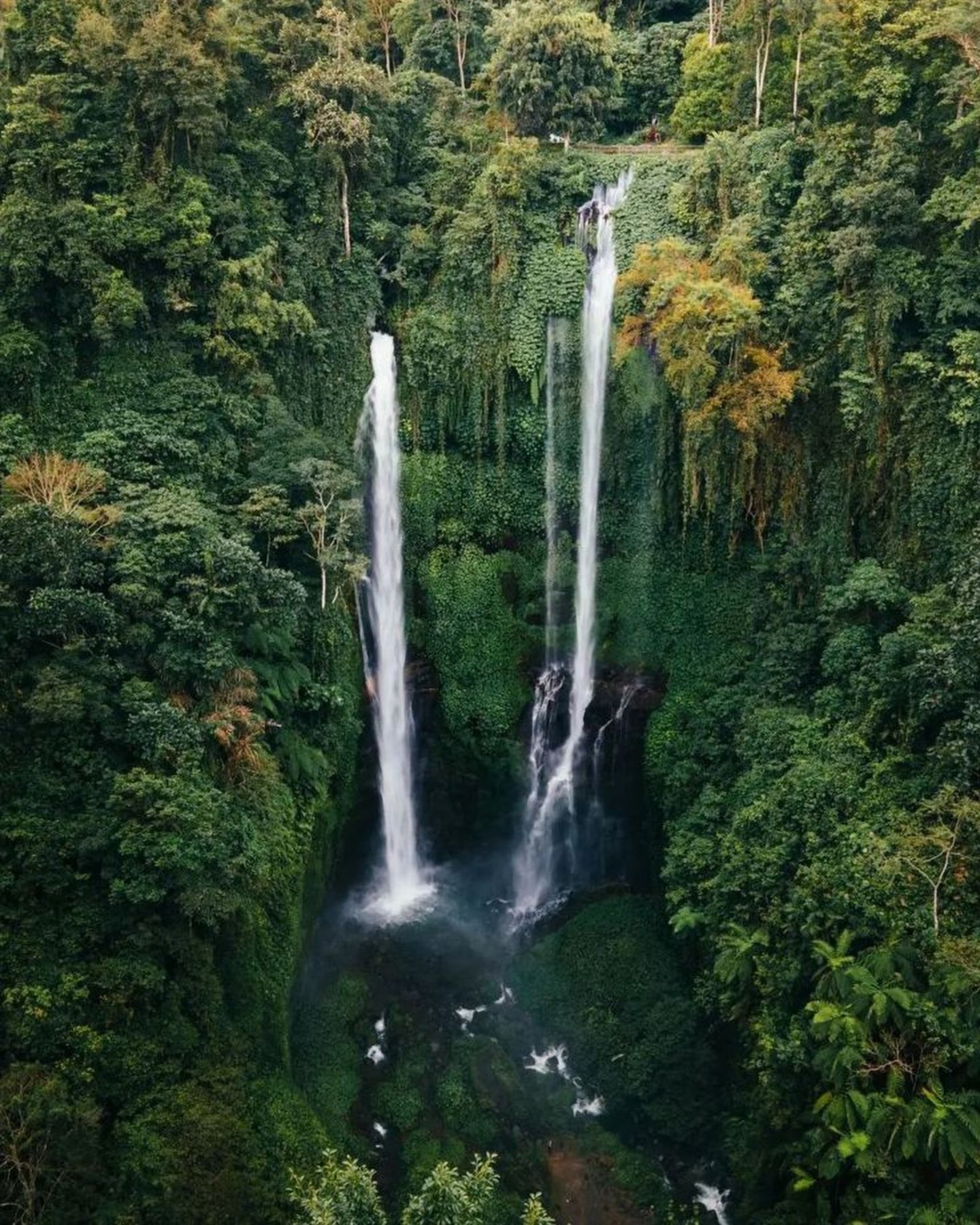
If you see only one waterfall in Bali, make it Sekumpul in the north. It takes the most effort of any fall on this list, but nothing else on the island matches its curtain of six or seven cascades dropping into a jungle gorge. If you have half a day from Ubud, Tibumana and Tukad Cepung give the best reward for the least effort.
Below we rank the island's best falls by what they ask of you and what they give back. Entry fees are paid in cash at village ticket booths and change often; the figures here are from 2025 and 2026 sources, so treat them as a guide and check before you go.
Easy: big reward, little effort
Tibumana Waterfall is the best-value waterfall in Bali. A flat walk of five to ten minutes through palms and over bamboo bridges brings you to a single wide ribbon of water falling into a broad, shallow pool that is lovely for swimming. It sits about 45 minutes east of Ubud near Bangli, entry is around IDR 10,000 to 25,000 (under USD 2), and it rarely feels crowded. Locals advise staying out of the churn directly beneath the falls.
Kanto Lampo is a short stroll from the road in Gianyar, a wide fan of water tumbling over stepped black rock. It is very popular for photos, so come before 10am. The pool is shallow, good for wading rather than swimming. Entry is around IDR 10,000 to 20,000.
Tegenungan is the most visited waterfall in Bali and the closest to Ubud and the south, about 30 minutes from Ubud in Kemenuh. It is genuinely powerful, but expect a concrete staircase, swings, cafes and tour buses by 10am. Arrive between 7 and 9am and it is a different place. Entry runs around IDR 15,000 to 30,000.
Moderate: worth the stairs
Tukad Cepung is the one you have seen on Instagram: a waterfall inside a narrow canyon, lit by shafts of sunlight that pour through a gap in the rock. Reaching it takes about 20 minutes of steep stone steps followed by wading along a knee-deep stream. The light beams appear roughly between 9 and 11am on sunny days, best in the dry season from April to October. It is around 45 minutes to an hour from Ubud and costs around IDR 20,000 to 35,000. Wear sandals you can get wet.
Leke Leke in Tabanan, on the road up to Bedugul, is a slender fall dropping over a dark cliff wall into a small plunge pool. The walk is about 15 minutes down a slightly steep dirt track and over a bamboo bridge. Very early mornings are quietest. Recent fees vary between sources, from around IDR 20,000 to 50,000.
Banyumala Twin Waterfall near Wanagiri in the highlands is two streams spilling down a mossy wall into a pool deep enough to swim in. The trail down is a few hundred steps and can be slippery after rain, but you do not need a guide. Entry is around IDR 20,000 to 50,000. Combine it with the nearby Munduk waterfalls and the twin lakes for a full highland day.
Hard: for the legs, and the payoff
Nungnung, about an hour north of Ubud near Plaga, is a thundering 50-meter fall in a cool, misty gorge. The catch is more than 500 concrete steps, which take about 15 minutes down and 30 to 45 minutes back up. Few tour groups bother, so you often have it nearly to yourself. Entry is around IDR 20,000 to 30,000. Swimming is possible in the rock pools, but the current near the base is strong.
Aling-Aling in Sambangan, near Lovina in the north, is the adventure option. Basic entry is around IDR 10,000 to 20,000, but most people pay from around IDR 125,000 for a guided package that includes swimming, a natural rock slide and cliff jumps of various heights into deep pools. Swimming and jumping are only allowed with a local guide. It is roughly 2.5 hours from Ubud, so pair it with a night in Lovina or Munduk.
Sekumpul is the summit of Bali waterfalls. From the village you descend a long, steep staircase through clove and durian gardens, cross a river and walk out into a valley where a wall of cascades falls more than 80 meters. You can pay around IDR 20,000 just to see it from the viewpoint at the top, but going down requires a local guide, with packages from around IDR 125,000 to 250,000 depending on the route. The longest route adds the neighboring Fiji Waterfall. The climb back up takes 30 to 40 minutes and is the hardest part of the day. Allow three to four hours on site and about 2.5 hours each way from Ubud.
When to go
Waterfalls in Bali have two personalities. In the wet season, roughly November to March, they are at their fullest and most dramatic, but trails turn muddy, rivers rise quickly and the water is brown after heavy rain. In the dry season, April to October, the falls are smaller but paths are safer and the water clearer. The sweet spot for many is April and May, when the falls are still strong after the rains.
Go early. Most falls are quietest before 9am, before the tour vans from Ubud and the south arrive, and morning light is softer. Afternoon storms in the wet season can raise water levels within minutes, so leave the pool immediately if the water turns murky or you hear a roar upstream.
Practical tips
- Shoes: Bring sandals with grip or water shoes. Stairs and rocks are slippery all year.
- Cash: Entry, parking and lockers are paid in cash, usually IDR 2,000 to 5,000 for parking.
- Dress: Several falls are near temples or springs used for ceremonies. Swimwear is fine at the pool, but cover up on the walk through villages.
- Combine: Tibumana, Tukad Cepung and Kanto Lampo fit easily into one morning from Ubud. Sekumpul, Aling-Aling and Gitgit suit a north Bali loop.
- Safety: Never swim directly under a powerful fall and do not cliff jump without a local guide who knows the depth.
Our ranking at a glance
- Best overall: Sekumpul
- Best reward for least effort: Tibumana
- Most photogenic: Tukad Cepung, mid-morning
- Best for swimming: Tibumana and Banyumala
- Best adventure: Aling-Aling
- Best if you hate crowds: Nungnung, if your legs agree
Frequently asked
What is the most beautiful waterfall in Bali?
Sekumpul in north Bali is widely considered the most spectacular, with several cascades falling more than 80 meters into a jungle valley. Going down to the base requires a local guide.
Which Bali waterfall is easiest to reach?
Tibumana and Kanto Lampo, both near Ubud, need only a short, mostly flat walk. Tegenungan is also close but has a long staircase.
How much does it cost to visit waterfalls in Bali?
Most charge around IDR 10,000 to 50,000 per person in cash. Guided treks at Sekumpul and Aling-Aling cost more, from around IDR 125,000.
What is the best time of day for Tukad Cepung?
Roughly 9 to 11am on a sunny day, when shafts of light shine into the canyon. The dry season from April to October gives the best chance.

101 Things to Do in Bali
Список из 101 впечатления по всему острову: от рассветных восхождений до храмовых праздников.
Sources
- 19 best waterfalls in Bali to visit in 2026 (Honeycombers Bali)
- 12 Best Bali Waterfalls: Insider Tips and Prices 2026 (Travel Guides Tip)
- 7 Best Bali Waterfalls That Are Worth the Hype in 2026 (Jonny Melon)
- Sekumpul Waterfall: A complete guide (The Common Wanderer)
- How to Visit Nungnung Waterfall (The Common Wanderer)
- Tukad Cepung Waterfall: Entrance fee, Hike and Visitor Tips (Bali Holiday Secrets)