Are mosquitoes a problem in Bali?
Yes, and they are the one Bali creature genuinely worth taking seriously. Not because they are dangerous in huge numbers, but because some carry dengue fever, which is common across Indonesia, including Bali, all year round. The good news: Bali has low to no malaria risk, dengue is preventable with simple habits, and the overwhelming majority of visitors go home with nothing worse than a few itchy bites.
The mosquito that spreads dengue, Aedes aegypti, is a small black-and-white striped insect that bites mainly during the day, especially in the early morning and late afternoon, and thrives in towns and villas as much as in the jungle. That is why "I only get bitten at night" thinking does not work here.
Mosquito seasons month by month
Mosquitoes breed in standing water, so their numbers follow the rain. Check our full guide to Bali weather by month for the bigger picture.
- November to December: The wet season starts. Afternoon downpours leave puddles, gutters and plant pots full of water, and mosquito numbers climb fast.
- January to March: The peak of the rainy season and typically the peak of mosquito activity and dengue cases. Be strict with repellent.
- April to May: Rain eases, but breeding sites stay wet for weeks, so numbers remain high early on.
- June to September: The dry season. Noticeably fewer mosquitoes, especially along the coast, though villas with ponds and lush gardens still have them.
- October: The shoulder month. Humidity rises and the first storms bring mosquitoes back.
Dengue does not disappear in the dry season, it just becomes less common. Protect yourself whenever you visit.
Dengue in Bali right now
According to the Bali Provincial Health Office, Bali recorded 1,588 dengue cases and two deaths from January to July 2026, considerably fewer than over the same period in 2025. Numbers swing a lot from year to year, and Australian health authorities regularly report dengue in travelers returning from Bali, so treat it as a real, everyday risk rather than a rare event.
Most dengue infections are mild or cause a week of flu-like misery. A small percentage become severe dengue, which can cause bleeding and shock and needs hospital care. Having dengue once raises the risk of severe illness if you catch a different type later, which matters for long-stayers and frequent visitors.
Is there a dengue vaccine?
Indonesia approved the dengue vaccine Qdenga (by Takeda) in 2022 for people aged 6 to 45, given as two doses three months apart. Larger private clinics and hospitals in Bali are reported to offer it, and it is also available in many home countries, though recommendations differ from country to country. Because of the three-month gap, it suits long-stay visitors, expats and frequent travelers better than a last-minute holiday. Talk to a travel doctor well before you go, and remember that no vaccine replaces avoiding bites.
Is there malaria in Bali?
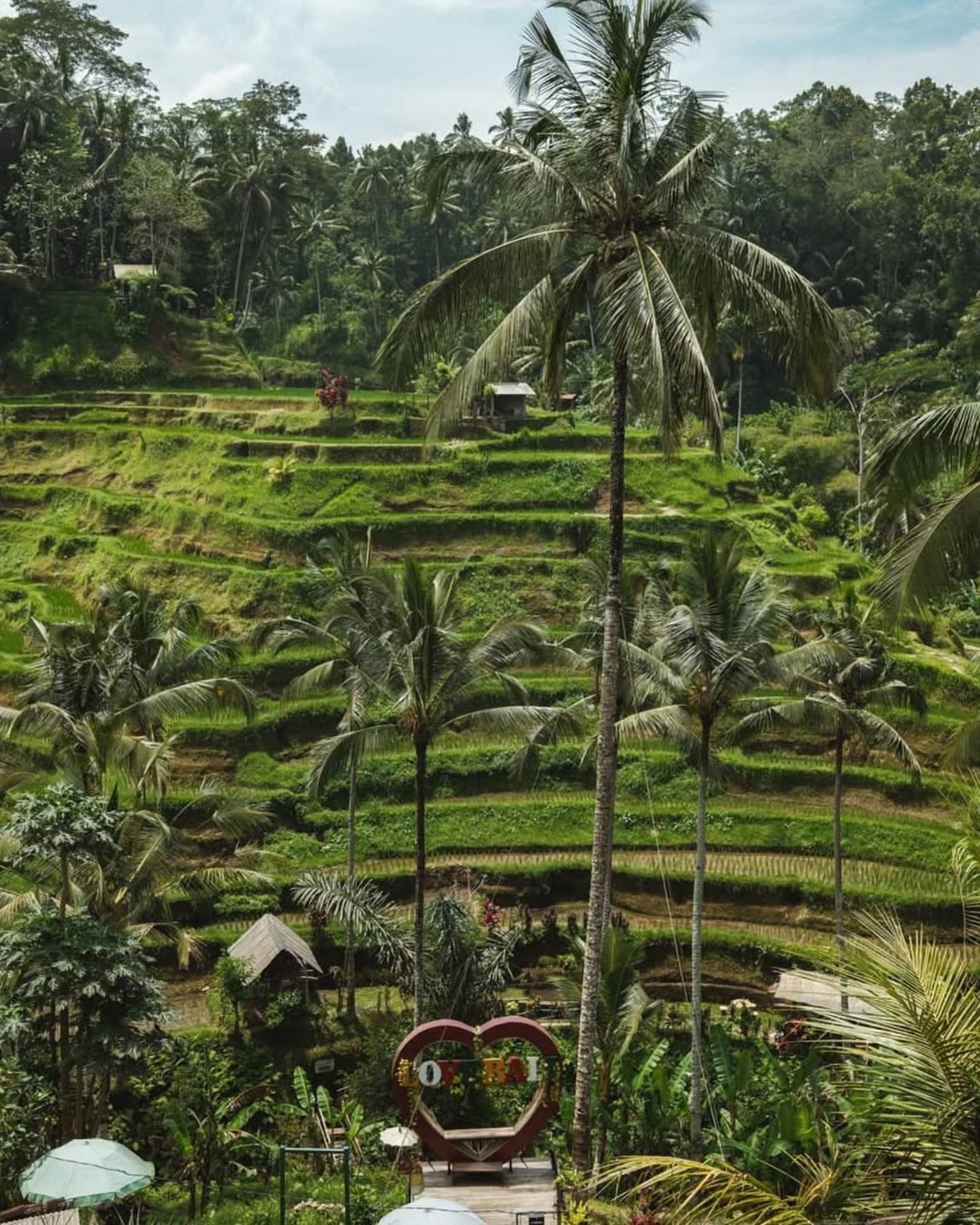
The UK's NHS travel health service, Fit for Travel, lists Bali as low to no risk for malaria, and antimalarial tablets are not usually advised for a Bali trip. Malaria is still present in parts of eastern Indonesia, so if you are traveling further, check advice for each island. Two other mosquito-borne viruses to know: chikungunya, which causes fever and painful joints, and Japanese encephalitis, which is rare but linked to rice fields and pig farming. A Japanese encephalitis vaccine is usually only suggested for long stays in rural areas, so ask your travel clinic.
How to avoid getting bitten
- Use a proper repellent containing DEET, picaridin (icaridin) or oil of lemon eucalyptus, day and evening. Apply it after sunscreen and reapply after swimming or heavy sweating.
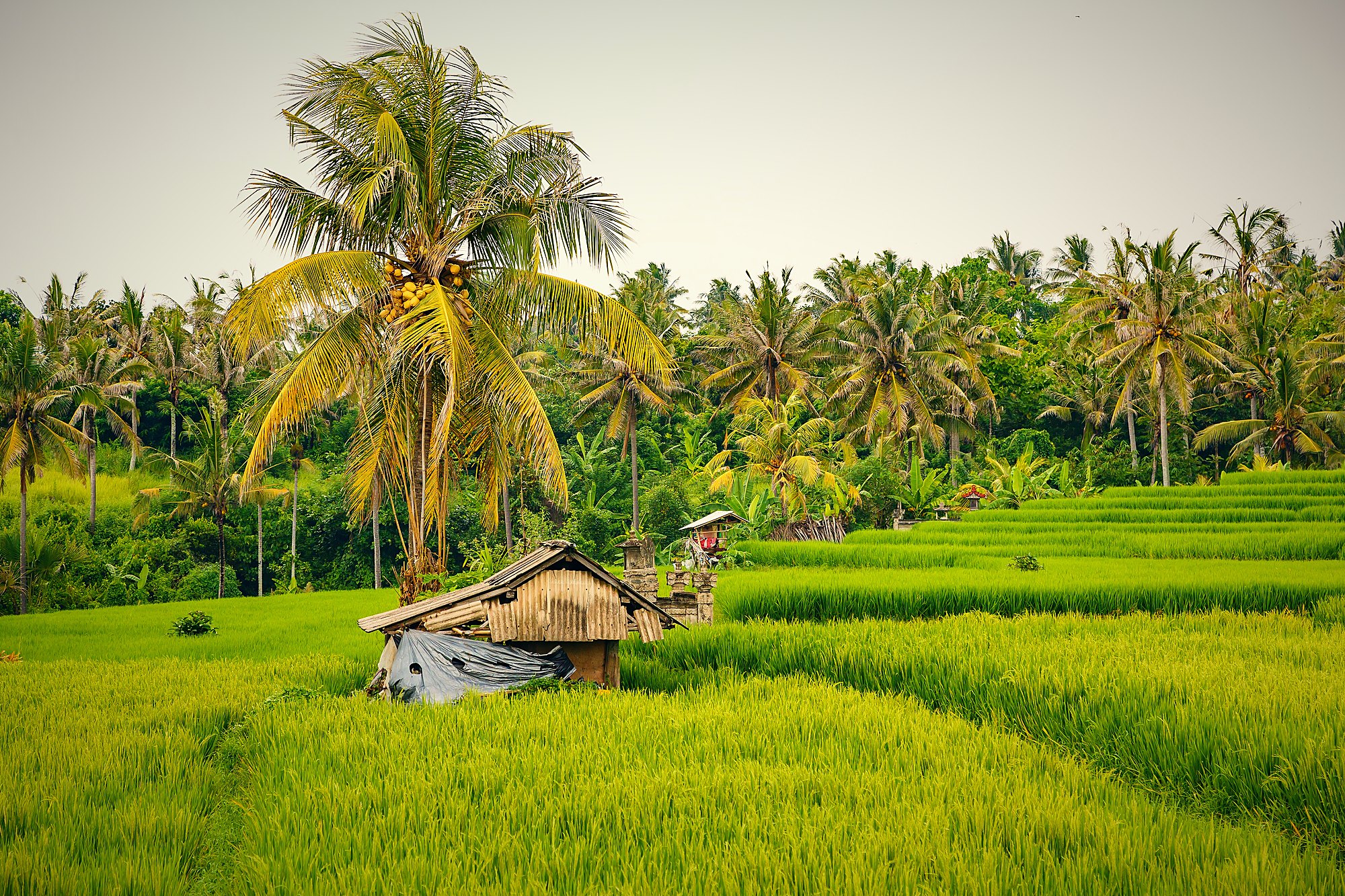
- Cover up with light, loose long sleeves and trousers at dawn and dusk, and on rice-field walks.
- Sleep in air conditioning or under a net, especially in open-air villas and bungalows.
- Empty standing water around your accommodation: saucers under pots, buckets, old coconut shells, blocked gutters. Ask villa staff if the pond has fish, which eat larvae.
- Plug in a vaporizer or burn a mosquito coil on terraces, and keep screens closed.
- Most minimarts sell local repellent lotions and coils cheaply if you forget yours.
Dengue symptoms and when to see a doctor
Dengue symptoms typically start 4 to 10 days after a bite: sudden high fever, severe headache, pain behind the eyes, aching muscles and joints, nausea and sometimes a rash.
If you develop a fever in Bali or within two weeks of leaving, see a doctor and ask for a dengue test. A simple blood test confirms it. While you wait:
- Rest and drink plenty of fluids.
- Use paracetamol (acetaminophen) for fever and pain.
- Do not take aspirin or ibuprofen, which can increase bleeding risk with dengue.
The dangerous phase often comes 24 to 48 hours after the fever drops, just when people think they are recovering. Go to a hospital immediately if you notice belly pain, vomiting three or more times in a day, bleeding from the nose or gums, blood in vomit or stool, or unusual drowsiness or restlessness. Our emergency information page lists hospitals and numbers.
Respect the mosquito, carry repellent and treat any fever seriously. Do that, and dengue becomes one of those things you read about rather than experience. For a fuller safety picture, see is Bali safe.
Frequently asked
Is there malaria in Bali?
Bali is considered low to no risk for malaria, and antimalarial tablets are not usually advised. Malaria still occurs in parts of eastern Indonesia.
When is dengue season in Bali?
Dengue occurs year-round, but mosquitoes and cases usually peak in the rainy season, roughly November to April, with January to March often the worst.
Can I get the dengue vaccine in Bali?
Qdenga is approved in Indonesia for ages 6 to 45 and is offered by some larger private clinics. It needs two doses three months apart, so plan ahead with a travel doctor.
What should I take if I think I have dengue?
Paracetamol for fever and pain, plenty of fluids and a doctor's visit for a blood test. Avoid aspirin and ibuprofen.

BALI 2026
The complete island guide: regions, temples, beaches, getting around, what to avoid and how to plan the perfect trip.

Expat Survival Guide: Bali
What to know before moving to Bali: visas, housing, costs and everyday life.