Are there jellyfish and dangerous sea creatures in Bali?
Yes, but serious injuries from marine life are uncommon. The things most likely to spoil a beach day are a bluebottle sting, a sea urchin spine in the foot or a cut from coral, and all of them are avoidable with a little awareness and a pair of reef shoes. Bali's genuinely dangerous sea creatures, such as stonefish, cone shells and blue-ringed octopus, are rarely encountered and almost never harm people who simply do not touch things. The biggest ocean danger in Bali is not an animal at all; it is the current.
Photos: Pexels · Pexels License · edited
Rip currents come first
Before any jellyfish, know about rips. Strong rip currents run along much of the west coast, from Kuta and Seminyak to Canggu, and around the Bukit Peninsula. Swim between the red-and-yellow flags where lifeguards are on duty, stay out when red flags fly, and if you are pulled out, do not fight it: float, raise an arm for help and swim parallel to the beach once the pull eases. Our guide to the best beaches in Bali for swimming covers calm options such as Sanur and Nusa Dua.
Jellyfish and bluebottles
The jellyfish that matters most in Bali is the bluebottle, a small blue float trailing long stinging tentacles. Bluebottles drift with the wind, and when strong winds push them inshore, they wash up on beaches and sting swimmers. Local officials describe it as an annual event, typically between July and September, during the windy dry season. In July 2026 bluebottles were reported at Segara Ayu Beach in Sanur, and they appear on the south and west coasts too.
If you see blue floats on the sand, take it as a sign to stay out of the water that day, and do not touch stranded ones, which can still sting.
First aid for bluebottle stings: get out of the water, rinse with seawater (not fresh water) and pick off any tentacles with a gloved hand, tweezers or the edge of a card. Do not rub the area. Then put the sting in hot water, as hot as you can comfortably bear, for about 20 minutes, which Australian first-aid guidance recommends for bluebottles. A cold pack is the fallback if hot water is not available. Take paracetamol for pain. Get medical help for difficulty breathing, chest pain, a sting to the face or eyes, or a severe reaction, especially in children. Small, harmless-looking jellyfish are also common in the water at times and may cause brief itching.
Stingrays, stonefish and sea urchins
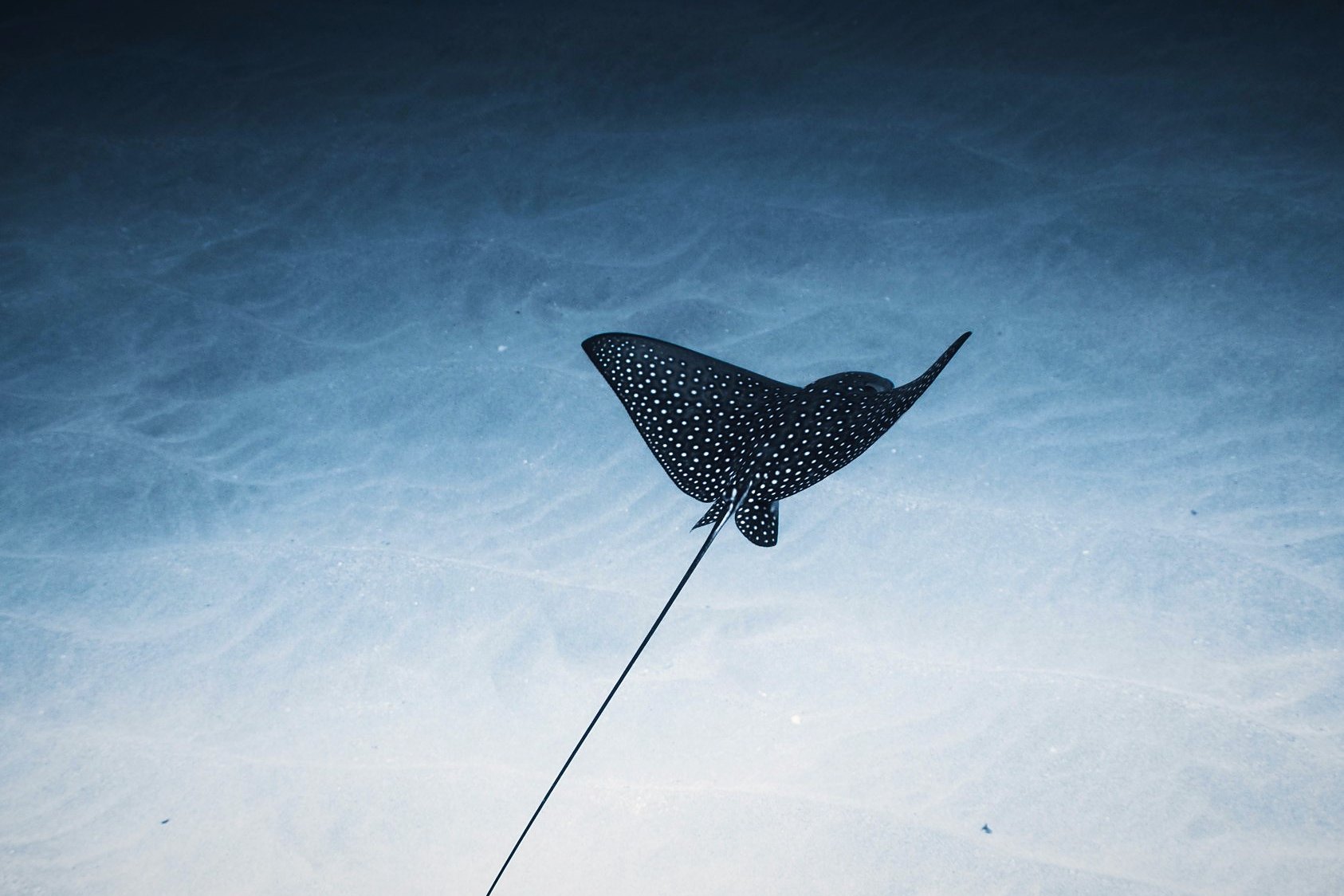
- Stingrays rest buried in sand in shallow water. Shuffle your feet as you wade so they swim away rather than being stepped on. A sting is very painful; soak it in hot water and go to a hospital, as wounds can contain pieces of barb and easily become infected.
- Stonefish are perfectly camouflaged as rocks on reef flats and rubble. Their spines inject an extremely painful venom. Treat with hot water immersion and get to a hospital urgently. Reef shoes and not walking on reef are the best protection.
- Sea urchins are common on reef flats and rocky shallows around much of Bali, often visible at low tide. Stepping on one drives brittle spines into the foot. Soak in hot water, remove spines that come out easily and see a doctor for deep or many spines or any sign of infection.
Cone shells, blue-ringed octopus and sea snakes
- Cone shells are beautiful patterned shells that live on reefs and sand. Some species can fire a venomous harpoon that is potentially fatal. The rule is simple: never pick up live shells.
- Blue-ringed octopus are small, shy and found in shallow reef and rubble areas around the region, and are a favorite of divers on muck-diving sites. Their bite can cause paralysis. Do not touch any octopus.
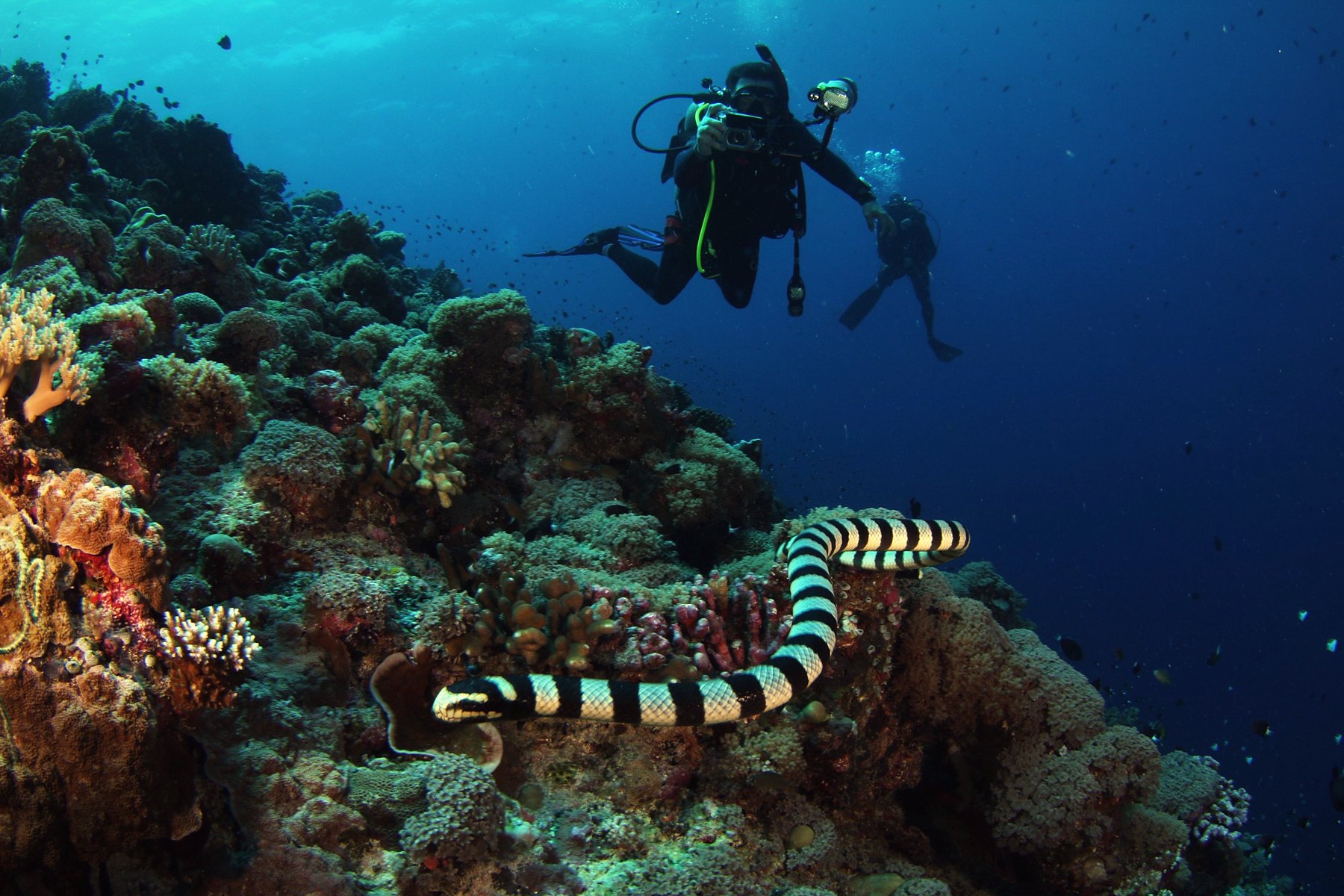
- Sea snakes and sea kraits are highly venomous but very reluctant to bite. Banded sea kraits are a regular sight on the rocks around Tanah Lot Temple. Leave them alone and they will ignore you.
For a cone shell sting or blue-ringed octopus bite, call an ambulance (118 or 119, or 112), keep the person lying still, apply a firm pressure bandage over the bite and up the limb, splint it, and be ready to perform CPR, since victims can stop breathing while remaining conscious. For a sea snake bite, get the person out of the water, keep them still and get to hospital. Keep our emergency information page handy.
Coral cuts and other irritations
Coral cuts look minor but infect easily in the tropics. Rinse thoroughly with clean fresh water, clean with antiseptic, keep the wound covered and watch for redness, swelling or pus over the next few days. Fire coral and stinging hydroids can cause a burning rash; rinse with seawater and avoid touching coral, which protects you and the reef. Lionfish, beautiful and slow, have venomous spines; admire them from a distance.
Reef shoes and other simple habits
- Wear reef shoes or water shoes on reef flats, rocky beaches and at low tide. They cost little in any beach shop and prevent most urchin, stonefish and coral injuries.
- Look, do not touch: no picking up shells, octopuses or anything on the reef.
- Shuffle your feet in sandy shallows.
- Ask lifeguards about jellyfish and currents before you swim.
- Wear a rash vest or thin wetsuit when bluebottles are around.
- Snorkel and dive with reputable operators, especially on Nusa Penida, where currents are strong.
A first-aid kit with tweezers, antiseptic and bandages covers most of what can go wrong. Respect the sea, keep your hands to yourself and Bali's underwater world is one of the friendliest anywhere. For more on what lives in the water, see our guides to sharks in Bali and snakes in Bali.
Frequently asked
When is jellyfish season in Bali?
Bluebottles wash in mainly between July and September, when strong winds push them inshore. Ask lifeguards and stay out if you see blue floats on the sand.
How do you treat a bluebottle sting in Bali?
Rinse with seawater, remove tentacles without bare hands, then soak in hot water for about 20 minutes. Seek help for breathing problems or severe pain.
Do I need reef shoes in Bali?
On reef flats, rocky beaches and at low tide, yes. They prevent most sea urchin, stonefish and coral injuries.
What do I do if I step on a sea urchin in Bali?
Soak the foot in hot water, remove any spines that come out easily and see a doctor for deep or many spines or signs of infection.

BALI 2026
The complete island guide: regions, temples, beaches, getting around, what to avoid and how to plan the perfect trip.

Surfing Indonesia
The breaks, seasons and surf towns of Bali and the islands beyond.
Sources
- Bites and stings: first aid (Better Health Channel, Victoria State Government)
- Penjelasan ubur-ubur botol biru beracun yang serang Pantai Sanur (detikINET)
- Ubur-ubur Blue Bottle muncul di Pantai Sanur (IDX Channel)
- Snakebite envenoming: Treatment (World Health Organization)
- Indonesia Travel Advice (Smartraveller)