The short answer
The best beaches in Bali for actually swimming are on the protected coasts: Sanur, Nusa Dua and Geger and Jimbaran in the south, Amed in the east, and Pemuteran and Lovina in the north. These sit behind offshore reefs or inside sheltered bays, so the water is usually calm enough for children and casual swimmers.
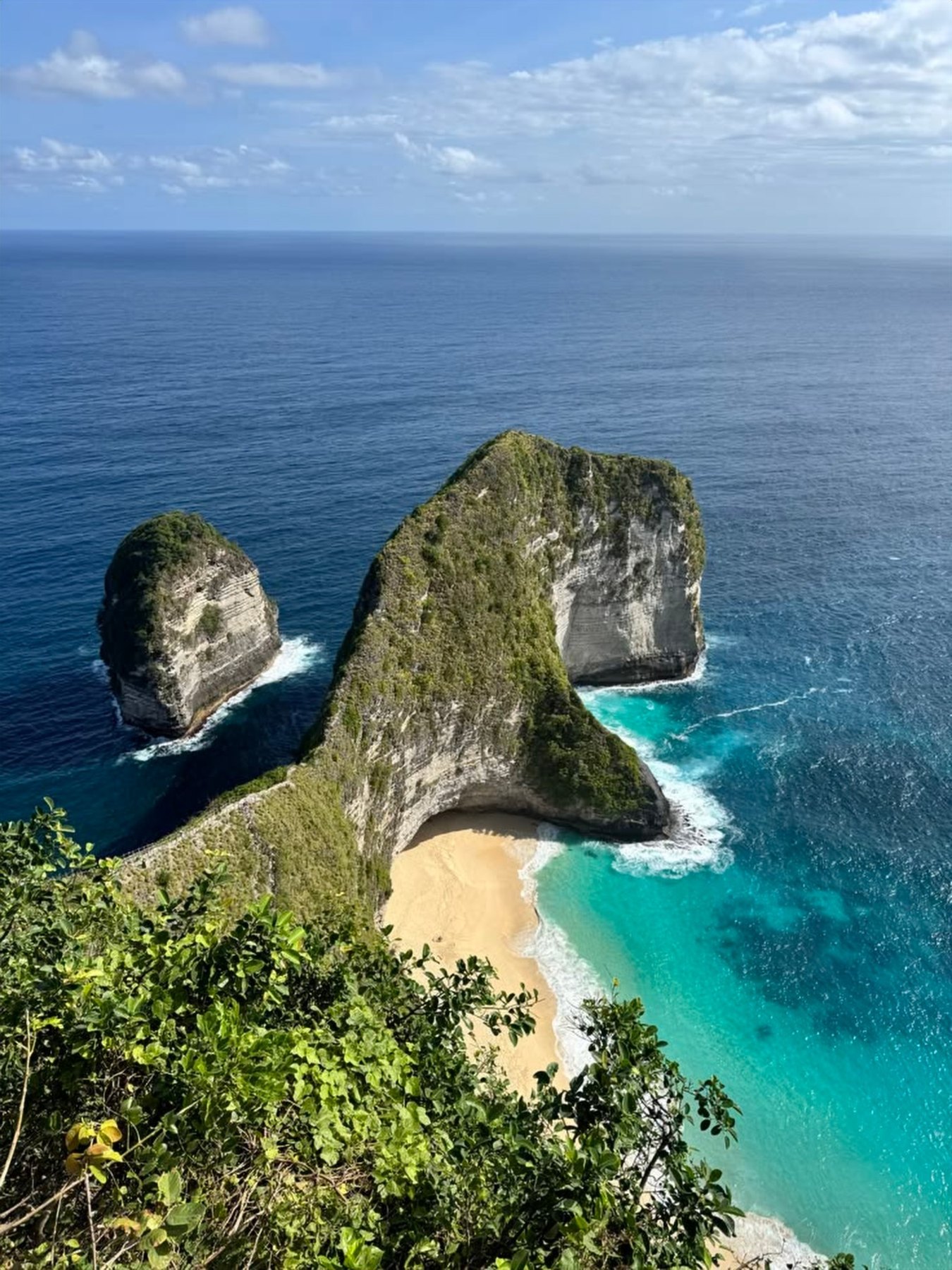
The famous west coast, from Kuta and Seminyak up through Canggu, Pererenan and beyond, is a surf coast. It is beautiful for sunsets and surfing lessons, but its waves and rip currents kill swimmers every year. Australian government travel advice has repeatedly warned about drownings caused by rough seas and strong rips at popular Bali beaches, and notes that many beaches have no lifeguards.
Why some Bali beaches are calm and others are not
Bali sits in the path of long swells that travel up from the Indian Ocean. Beaches that face this swell directly, mostly on the west and southwest coasts, get powerful waves and strong currents, especially in the dry season from roughly April to October when the swell is biggest.
Calm beaches are calm for a reason. Sanur and Nusa Dua are sheltered by a fringing reef a few hundred meters offshore that breaks the waves before they reach the sand, leaving a lagoon inside. Jimbaran sits in a deep bay protected by the Bukit peninsula. The north and east coasts face the Bali Sea and the Lombok Strait rather than the open ocean, so the water there is usually flat.
The best beaches for swimming
Sanur Beach is the gentlest stretch in the south. The reef keeps the water lagoon-calm along most of the beachfront path, which makes it ideal for families, older swimmers and anyone nervous in the sea. The catch is the tide: at low tide the water retreats far out over seagrass and the lagoon becomes too shallow to swim, so plan your swim for mid to high tide.
Nusa Dua and Geger Beach offer clean white sand and calm, clear water inside the reef, backed by the big resorts. Geger, at the southern end, is a little more local and relaxed, with seaweed farmers working the shallows at low tide. Like Sanur, the swimming is best at mid to high tide.
Jimbaran Bay has a long arc of sand with softer waves than the west coast. On most days it is good for a swim before the seafood grills light up at sunset, though bigger swells can bring a dumping shore break, so watch the water first.
Amed and Jemeluk on the east coast trade sand for black volcanic pebbles but offer some of the calmest, clearest water in Bali, with coral a few meters offshore. Swimming and snorkeling here are excellent most mornings. Wear water shoes on the stones.
Pemuteran Beach in the far northwest is a quiet bay with calm water, a reef restoration project you can snorkel over from the beach, and boats to Menjangan Island nearby. It is about four hours from the south, so it suits a slow few days.
Lovina Beach on the north coast has black sand and usually flat water, good for an easy swim after an early dolphin-watching boat trip.
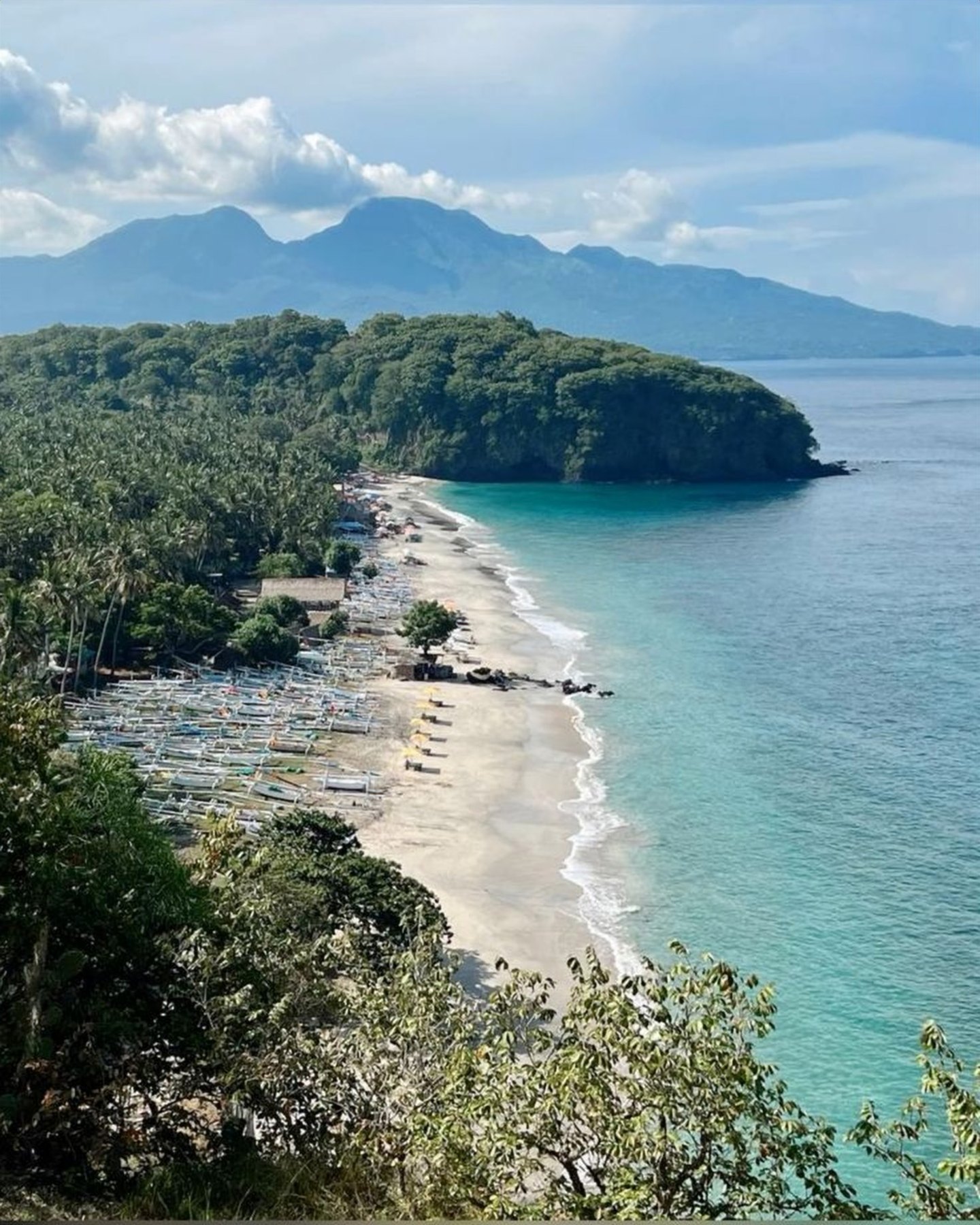
Virgin Beach, also called Pantai Pasir Putih, near Candidasa is a white sand cove with fishing boats and simple warungs. Entry is around IDR 20,000 for adults. It is often calm, but it faces open water and can have a strong shore break when the swell is up, so it is a good swimming beach on the right day rather than every day.
Beaches for looking, not swimming
These are some of Bali's most beautiful beaches, and the ones where visitors get into trouble most often.
- Kuta, Legian and Seminyak: Sandy beach breaks with frequent rip currents. Lifeguards patrol sections of Kuta and Seminyak; only swim between their flags.
- Canggu, Echo Beach, Batu Bolong and Pererenan: Surf breaks over reef and sand with strong currents. For surfing and sunsets, not casual swimming.
- Uluwatu cliff beaches: Suluban, Nyang Nyang and Green Bowl have shallow reef, powerful surf and limited access at high tide.
- Black sand beaches on the east and west coasts: Keramas, Balian and Medewi are surf beaches with strong currents. Medewi and Balian are for confident swimmers only, if at all.
On the Bukit, Melasti and Pandawa can be calm enough for a swim inside the reef at low to mid tide, but conditions change with the swell.
Flags, rips and tides
Learn to read the beach before you get wet.
- Red and yellow flags mark a stretch patrolled by lifeguards. Swim between them.
- A red flag on its own, or two red flags, means do not swim.
- No flags means no patrol. Be extra careful.
A rip current often looks like a calm, darker channel between breaking waves, sometimes with foam or debris drifting out to sea. If you are caught in one, do not fight it by swimming straight back to shore. Float, raise an arm to signal for help, and swim parallel to the beach until you are out of the current, then come in with the waves.
Tides matter as much as waves in Bali. On reef-protected beaches like Sanur, Nusa Dua and Geger, low tide can leave too little water to swim and exposes sharp coral and sea urchins. On cliff beaches like Suluban, high tide can cover the sand completely. Check a tide app before you go, and plan reef-lagoon swims for mid to high tide.
Practical tips
- Swim early. Mornings are usually calmer, with less wind and fewer boats.
- Wear water shoes on reef and pebble beaches to avoid coral cuts and urchins.
- Ask locals. Beach vendors and lifeguards know which corners have rips that day.
- Watch children closely. Even calm beaches have channels and drop-offs.
- Leave the alcohol until after the swim. It plays a part in many accidents.
Our verdict
For carefree swimming, base yourself in Sanur or Nusa Dua, or head east to Amed or north to Pemuteran. Treat the west coast as a place to surf, watch the sunset and paddle only between the lifeguards' flags. Bali's sea is generous, but it rewards respect.
Frequently asked
Which beach in Bali has the calmest water?
Sanur and Nusa Dua are the calmest in the south because an offshore reef breaks the waves. In the north and east, Lovina, Pemuteran and Amed are usually very calm.
Is it safe to swim at Kuta Beach?
Only between the red and yellow lifeguard flags, and only if you are a confident swimmer. Kuta is a surf beach with frequent rip currents.
What do the beach flags mean in Bali?
Red and yellow flags mark a patrolled swimming area. A single red flag means do not swim, and no flags means no lifeguard patrol.
Does the tide matter for swimming in Bali?
Yes. At reef-protected beaches like Sanur and Nusa Dua, low tide can make the water too shallow to swim, so go at mid to high tide.

BALI 2026
Der komplette Inselführer: Regionen, Tempel, Strände, Fortbewegung, was Sie meiden sollten und wie Sie die perfekte Reise planen.